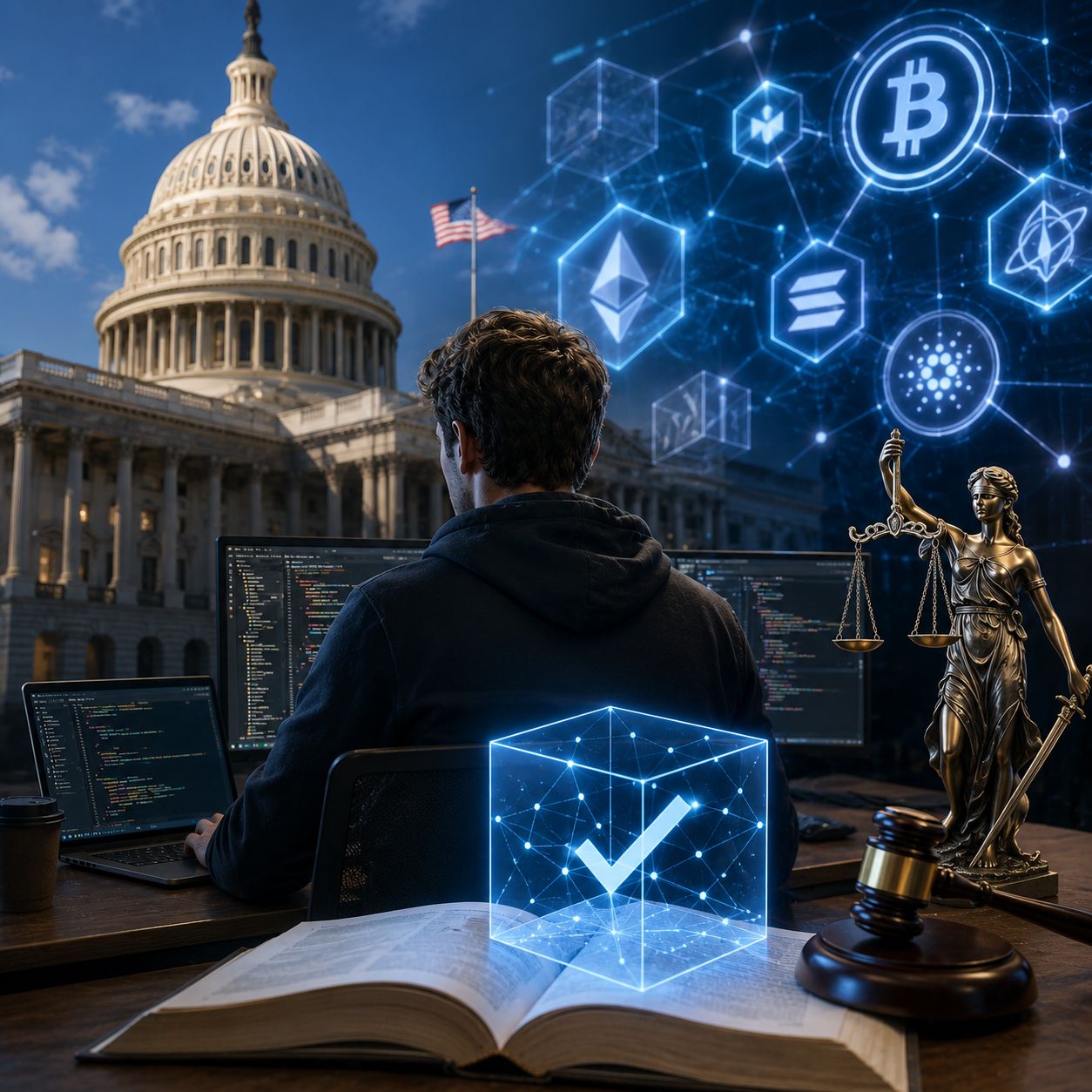
























































A Historic Turning Point for Crypto and the U.S. Federal Reserve
In a groundbreaking move that could reshape the relationship between cryptocurrency and the U.S. Federal Reserve, Michelle Bowman, the Vice Chair for Supervision at the Federal Reserve, has urged policymakers to allow central bank staff to hold small amounts of crypto.
Speaking at a blockchain summit in Wyoming, Bowman highlighted the importance of first-hand experience in understanding digital assets like Bitcoin, Ethereum, and stablecoins. Her proposal challenges the Fed’s strict ban on crypto ownership, signaling a potential shift in U.S. regulatory attitudes toward the blockchain industry.
Bowman’s remarks come at a time when crypto adoption is accelerating globally, financial institutions are experimenting with tokenization, and the U.S. banking system faces increasing pressure to modernize payment rails. Could this be the start of crypto’s integration into the Federal Reserve’s core framework? Let’s break it down.
Michelle Bowman’s Proposal – “Let the Fed Experiment with Crypto”
Currently, the Federal Reserve enforces a strict ban on staff holding or trading cryptocurrencies. Since 2022, the Federal Open Market Committee (FOMC) has prohibited its officials from investing in digital assets, citing concerns over conflicts of interest and market manipulation.
However, Bowman’s bold stance is shaking things up:
“Our approach should consider allowing Fed staff to hold de minimus amounts of crypto or other digital assets.”
By proposing a “de minimus” allowance – meaning a small, limited holding – Bowman argues that central bank officials must experience crypto ownership to truly understand its mechanics.
She compared this learning approach to skiing:
“I wouldn’t trust someone to teach me to ski if they’d never put on skis, regardless of how many books and articles they have read – or even written – about it.”
Her analogy underscores a crucial point: regulators can’t effectively govern what they don’t fully comprehend.
Why Bowman’s Push Matters for Crypto Regulation
Bowman’s statements are more than just words -they represent a fundamental policy debate within U.S. financial regulation:
- Hands-On Learning vs. Theoretical Oversight
- Regulators often rely on reports, studies, and simulations.
- Bowman believes direct ownership offers real-world insights into wallets, transfers, taxation, and security risks.
- Bridging the Knowledge Gap
- Blockchain is evolving at lightning speed.
- Without personal experience, regulators risk falling behind innovation, leaving traditional banks obsolete.
- Talent Retention at the Federal Reserve
- Bowman highlighted that allowing limited crypto holdings could attract top fintech talent.
- Today’s leading blockchain developers, data scientists, and DeFi experts are unlikely to work in institutions that completely ban digital assets.
This proposal could significantly influence how crypto regulation develops in the coming years.
Bowman Calls for a New Regulatory Mindset
One of the strongest points Bowman made during her Wyoming speech was that regulators need to embrace innovation rather than fear it.
She urged federal agencies to shed an “overly cautious mindset” toward blockchain technology:
“Regulators must understand new products and services and recognize the utility and necessity of embracing technology in the traditional financial sector.”
Blockchain Is Not Just Crypto – It’s the Future of Finance
Bowman also highlighted how tokenization of assets can revolutionize ownership transfers:
- Real Estate → Properties could be fractionalized and sold globally in minutes.
- Securities → Stocks and bonds could change hands without intermediaries.
- Art & Collectibles → NFTs already prove the concept of instant digital ownership.
According to Bowman, these innovations can solve systemic inefficiencies in banking, settlements, and clearing systems.
Why the Fed Needs Industry Collaboration
Bowman also addressed the crypto industry directly, urging developers, exchanges, and blockchain companies to help regulators understand emerging technologies.
“I encourage the industry to engage with regulators to help us understand blockchain and its potential to solve other problems.”
This open invitation signals a significant policy shift: rather than strictly policing digital assets, Bowman advocates for a partnership-driven approach.
Such collaboration could pave the way for:
- Clearer crypto regulations
- Safer consumer protections
- Better integration between banks and blockchain
Implications for U.S. Banks and the Global Crypto Market
If Bowman’s proposal gains traction, the ripple effects will be enormous:
1. Institutional Crypto Adoption Could Accelerate
- If the Fed itself softens restrictions, banks and credit unions will feel safer engaging with Bitcoin, Ethereum, and tokenized assets.
- This could open the door to mainstream crypto investment products.
2. Blockchain Could Become the Backbone of Banking
- As tokenization becomes standard, settlements, loan processing, and cross-border transfers could all shift to decentralized ledgers.
- Traditional intermediaries might be phased out, increasing efficiency.
3. Pressure on Other Regulators
- If the Fed modernizes, SEC, CFTC, and FDIC will face pressure to align policies.
- A fragmented regulatory environment will not be sustainable as global competitors move faster.
Change Is Coming…
Michelle Bowman’s statements are a watershed moment in the relationship between crypto and the U.S. Federal Reserve. While her proposal to allow Fed staff to hold small amounts of digital assets may sound modest, it signals a seismic policy shift.
If adopted, this approach could:
- Improve regulatory understanding of blockchain
- Accelerate institutional crypto adoption
- Foster innovation inside the U.S. financial system
As Bowman herself warned:
“If this isn’t our approach, we risk the banking system becoming less relevant to consumers and businesses.”
For crypto enthusiasts, this could mark the beginning of a new era – one where the Federal Reserve and blockchain technology no longer stand on opposite sides of innovation.