



























































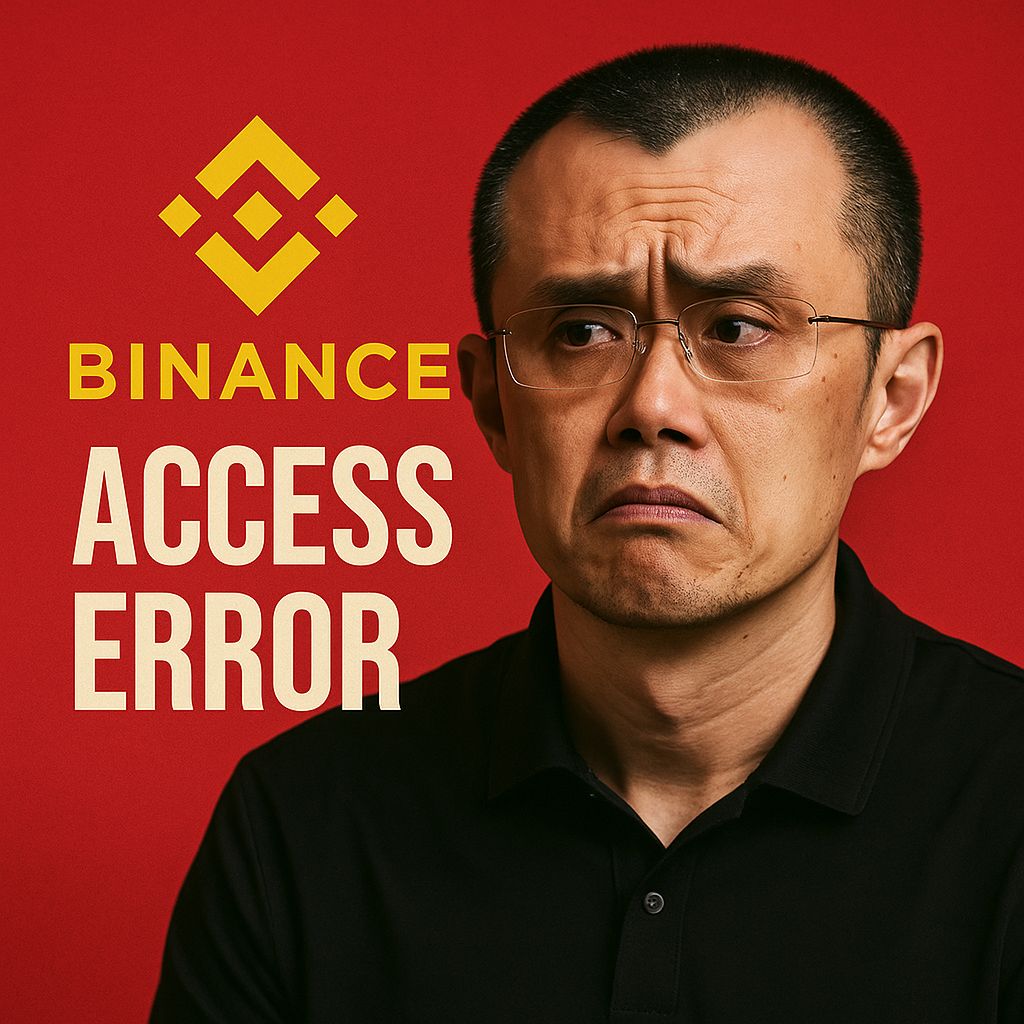
The world’s largest cryptocurrency exchange, Binance, is once again in the spotlight after reports of access issues and temporary outages on its Futures trading platform. For millions of crypto traders worldwide, this unexpected disruption has sparked concerns, speculation, and frustration, especially amid a period of heightened market volatility.
In this article, we’ll break down the details of the incident, explore its potential impact on traders, review Binance’s official response, and explain what this could mean for the broader cryptocurrency ecosystem.
What Happened? Binance Futures Experiences Access Problems
According to the latest developments, several users reported difficulty accessing their Binance Futures accounts, along with incomplete order executions and temporary system outages.
Shortly after the issue surfaced, Binance issued an official statement confirming the disruption:
“We are aware of an issue affecting Futures UM trading on Binance.
All futures trading is temporarily unavailable.
Our team is working to resolve this issue as quickly as possible.
New updates will be shared here. Thank you for your patience.”
The announcement was made across Binance’s official channels, including Twitter, Telegram, and the company’s dedicated system status dashboard.
Why This Matters – Binance Futures’ Role in the Market
Binance isn’t just another crypto exchange – it’s the largest trading platform in the world by volume. Its Futures platform handles billions of dollars in daily derivatives trading, offering products like:
- USDT-Margined Futures
- COIN-Margined Futures
- Perpetual contracts
- Leverage trading up to 125x
With such a massive user base, even brief outages can cause:
- Price volatility across multiple assets
- Unexecuted stop-loss orders exposing traders to higher risks
- Increased liquidations during sudden market swings
- Institutional uncertainty around Binance’s reliability
When Binance experiences disruptions, the entire crypto market feels the ripple effect.
Potential Impact on Traders and Market Volatility
Access issues on a platform like Binance Futures can have immediate and widespread effects:
1. Liquidation Risks Rise
Traders holding highly leveraged positions are at increased risk when they cannot modify, close, or hedge trades during system downtime.
2. Price Manipulation Concerns
Short-term outages often amplify volatility, creating opportunities for whales and institutional players to influence price movements while retail traders are locked out.
3. Cross-Exchange Imbalances
When Binance goes down, traders often rush to competing exchanges like Bybit, OKX, or Bitget, creating sudden liquidity shifts and price discrepancies between platforms.
4. Investor Sentiment & Trust
Frequent outages raise concerns about the stability of infrastructure and can impact long-term trust in centralized exchanges (CEXs).
Binance’s Quick Response and Transparency
To its credit, Binance acted quickly:
- The issue was acknowledged within minutes of reports surfacing.
- Status updates were shared in real time on Twitter and Telegram.
- Engineers were deployed immediately to restore access to affected systems.
Such swift responses are critical for maintaining user trust, especially during periods of high leverage and extreme volatility.
Could This Be a Wake-Up Call for Traders?
For active traders, the incident serves as a reminder of the risks of over-relying on centralized exchanges:
- Exchange downtime can occur without warning.
- Funds held on exchanges are exposed to systemic risks.
- Trading strategies can fail if orders cannot execute during critical market moments.
Best Practices Moving Forward
- Diversify across multiple exchanges to avoid total lockouts.
- Keep backup accounts ready on DEXs and CEXs alike.
- Use proper risk management when trading leveraged products.
How Competitors Could Benefit
Every time Binance faces an outage, competitors stand to gain user trust and trading volumes. Exchanges like Bybit, OKX, Kraken, and Bitget may attract traders seeking more stable platforms for derivatives trading.
This trend underscores a broader shift toward multi-exchange strategies among professional traders, reducing dependence on any single trading venue.
The Bigger Picture: Regulation and Infrastructure Reliability
As global regulators like the SEC, MiCA (EU), and Asian financial authorities tighten their oversight of crypto platforms, system stability is likely to become a key regulatory priority.
Frequent outages on leading platforms could:
- Invite scrutiny from regulators concerned about systemic risks.
- Accelerate calls for third-party auditing of exchange infrastructure.
- Push traders toward decentralized exchanges (DEXs), which rely on blockchain-based settlement instead of centralized servers.
What Traders Should Do Right Now
Until Binance confirms full resolution, here’s what you can do:
- Stay Updated – Follow Binance’s official status page and Twitter feed.
- Avoid Over-Leverage – Minimize exposure until trading resumes normally.
- Check Competing Platforms – If you need urgent trades, consider alternatives like OKX, Bybit, or Kraken.
- Use Cold Wallets – Protect long-term holdings by keeping assets off centralized exchanges whenever possible.
Lessons From the Binance Futures Outage
The latest Binance Futures outage underscores the increasing interconnectedness of crypto markets. When the world’s largest exchange goes down, the effects are instantaneous and widespread.
While Binance’s fast response and transparency helped minimize panic, this incident underscores the importance of diversification, proper risk management, and exploring decentralized alternatives.
As crypto trading volumes grow and derivatives markets expand, ensuring platform stability will be crucial to earning – and keeping – trader confidence in 2025 and beyond.









