



























































An Unlikely Buyer Shakes the Market
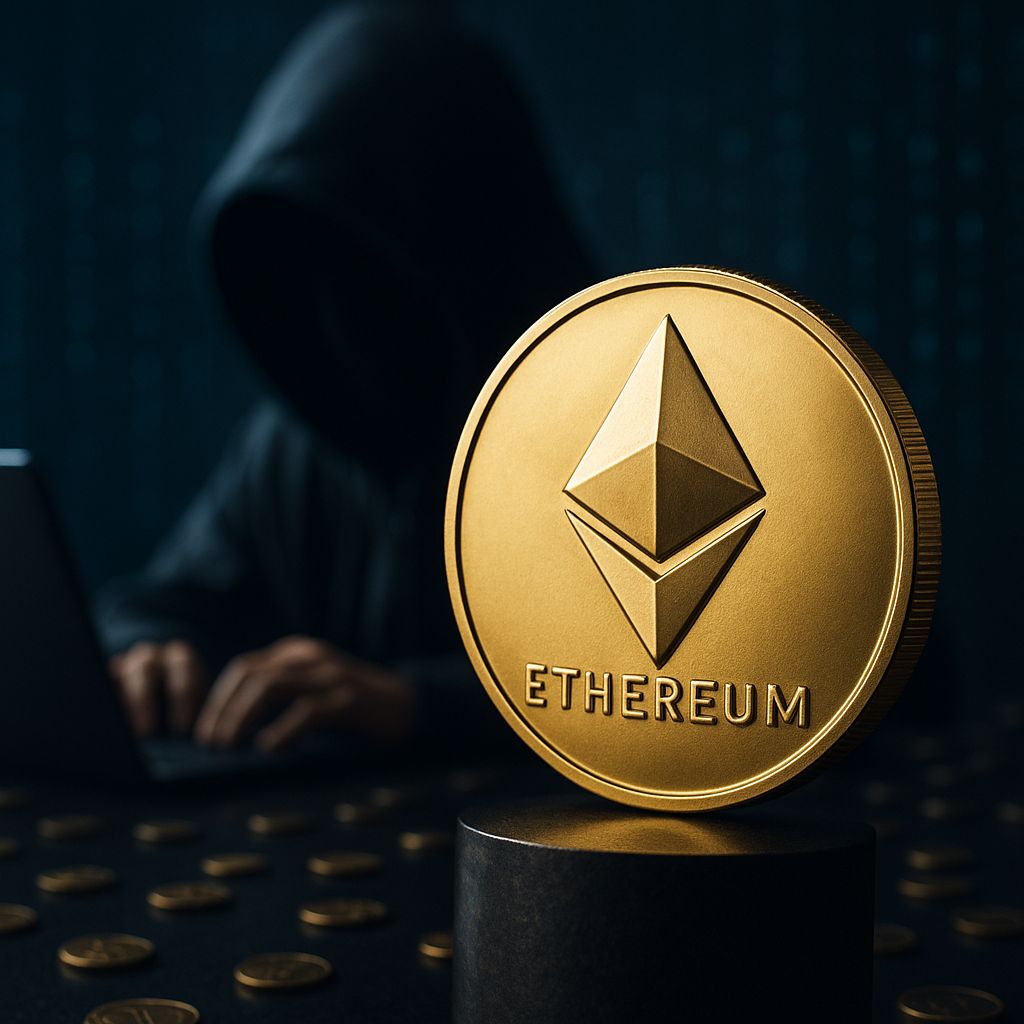
The cryptocurrency market never stays quiet for long. Just as Ethereum has regained bullish momentum after a period of correction, on-chain data revealed an unexpected player entering the scene. A wallet tied to the infamous $300M+ Coinbase hack has purchased 3,976 ETH, worth approximately $18.9 million at an average price of $4,756 per coin.
This surprising acquisition comes at a critical moment for Ethereum. On one side, institutional investors are steadily increasing their positions, driving confidence in the long-term future of ETH. On the other, the involvement of a hacker-linked wallet adds complexity, stirring debate about regulation, market integrity, and the risks of concentrated accumulation by suspicious addresses.
For retail investors and professional traders alike, the question is clear: does this purchase strengthen Ethereum’s bullish outlook, or does it introduce new risks that could destabilize the market?
Ethereum’s Strong Rebound in 2025
Ethereum has been in recovery mode for much of 2025. After facing extended volatility earlier in the year, ETH recently broke past the $4,700 mark, reestablishing itself as the leading smart contract platform and the second-largest cryptocurrency by market cap.
Analysts point to several key reasons behind Ethereum’s rebound:
- Institutional inflows are rising – Hedge funds, asset managers, and corporate treasuries are buying ETH in growing numbers.
- DeFi and tokenization growth – Ethereum remains the backbone of decentralized finance, NFT projects, and tokenized real-world assets.
- Favorable macroeconomic conditions – The Federal Reserve’s recent 25 basis point rate cut boosted risk assets, including crypto.
These factors combined to create a strong upward trajectory. It is in this environment that the hacker’s wallet decided to accumulate nearly 4,000 ETH, fueling speculation about motives and market impact.
The Wallet’s Controversial History
The wallet behind this transaction is not just another whale. Blockchain analysts, including the well-known investigator ZachXBT, have previously flagged it as being tied to the Coinbase hack that siphoned over $300M, with some estimates exceeding $330M.
Rather than liquidating the stolen funds immediately, the wallet has followed a long-term accumulation pattern. On-chain activity shows purchases of major altcoins in addition to Ethereum, suggesting a strategy more aligned with portfolio management than short-term speculation.
This raises serious questions:
- Is the wallet trying to blend its holdings into legitimate market activity?
- Could these funds eventually be liquidated on exchanges, causing volatility?
- Will regulators intensify their scrutiny of wallets linked to past hacks?
The shadow of the hack remains an important backdrop, reminding the market of how much influence a single suspicious wallet can exert in a decentralized ecosystem.
Institutional Interest at the Same Time
Interestingly, the hacker’s accumulation coincides with a surge in institutional activity on Ethereum. BitMine, a major institutional treasury, reportedly acquired over 200,000 ETH during the same period. ETF products, hedge funds, and large corporations have also expanded their ETH exposure, treating it as both a growth asset and a hedge against inflation.
Earlier this year, Ethereum suffered outflows of nearly $800M, creating doubts about its near-term prospects. But the tide has shifted. Renewed buying by institutions has restored confidence and provided the liquidity necessary for price stability.
The overlap of these events – a suspicious wallet buying millions worth of ETH while institutions do the same – creates a fascinating paradox. While one represents a potential regulatory risk, the other reflects growing legitimacy for Ethereum as an institutional-grade asset.
How This Impacts Ethereum Prices
The direct impact of the 3,976 ETH purchase is immediate buying pressure, which helps support Ethereum’s price above $4,700. However, the long-term implications depend on how the market interprets the presence of this hacker-linked wallet.
Why This Could Be Bullish
- Confidence in Ethereum’s future – Even a wallet with a controversial past is choosing to hold ETH rather than cash out.
- Institutional alignment – The purchase coincides with institutional accumulation, strengthening the narrative of broad confidence in ETH.
- On-chain growth – Ethereum continues to dominate DeFi and tokenized assets, reinforcing demand beyond speculative trading.
Why This Could Be Bearish
- Regulatory risk – Authorities could crack down on hacker-linked wallets, which might create panic if funds are frozen or liquidated.
- Market overhang – The possibility of a sudden dump remains a concern. If the wallet sells aggressively, it could cause a short-term crash.
- Psychological pressure – Traders often react emotionally to news involving hacks, potentially amplifying volatility.
In other words, the event cuts both ways. While the market could rally on renewed confidence, the risk of unexpected selling remains present.
Historical Context: Ethereum’s Behavior During Large Accumulations
Ethereum has a history of reacting strongly when large wallets accumulate or liquidate. In previous cycles, significant buying activity by whales often preceded rallies, while heavy selling led to cascading liquidations.
The Coinbase hacker’s wallet, however, introduces a unique dynamic. Unlike institutions, which usually disclose purchases through filings or ETF inflows, a hacker’s moves are opaque and harder to interpret. This uncertainty itself can fuel speculation, drawing even more traders to monitor Ethereum’s next moves.
ZachXBT summarised the situation by stating, “The original heist could exceed $330M, with the hacker showing a consistent pattern of accumulation.” His analysis implies that this may not be a one-off event, but part of an ongoing strategy.
Regulatory Considerations
The presence of hacked funds in the crypto ecosystem has long been a point of concern for regulators. The SEC, CFTC, and even global watchdogs like the FATF have emphasized the importance of anti-money laundering measures in crypto markets.
If the hacker’s wallet continues accumulating ETH, it could draw attention from U.S. regulators, especially since Coinbase, the exchange originally affected, operates under strict compliance obligations.
At the same time, regulators are currently more focused on providing clarity around market structure bills, stablecoin frameworks, and token classification. This means that while the wallet may attract headlines, it is unclear whether enforcement will follow.
Market Sentiment: Traders Divided
Crypto traders remain split on how to interpret this development. Some see it as confirmation of Ethereum’s strength, arguing that even “bad actors” recognise ETH as the premier blockchain asset. Others warn that tying bullish sentiment to a hacker’s wallet is risky, as it introduces uncertainty into an already volatile market.
Social media platforms like X (formerly Twitter) have exploded with discussions. Some traders joked that the hacker is “front-running institutions,” while others suggested that the wallet’s activity is proof that ETH is undervalued compared to Bitcoin.
What is clear is that the story has amplified attention on Ethereum, increasing trading volumes and heightening market interest just as the fourth quarter begins.
Looking Ahead: Ethereum’s Future After the Hacker Buy
Ethereum’s future depends less on the hacker’s wallet and more on its fundamental adoption. The ongoing rise of DeFi, the integration of real-world assets, and institutional inflows all paint a bullish long-term picture.
For Q4 2025, analysts expect ETH to remain volatile but trending upward, with some predicting a move above $5,000 if institutional inflows continue. The hacker’s purchase adds a layer of intrigue but does not fundamentally change the structural forces driving Ethereum’s adoption.
For investors, the lesson is clear: the crypto market remains unpredictable, with both legitimate institutions and suspicious wallets shaping the narrative. The best strategy lies in balancing risk management with long-term conviction in Ethereum’s role as the backbone of decentralized finance.
The acquisition of nearly $19 million worth of Ethereum by a wallet tied to the Coinbase hack is both a headline-grabbing event and a reflection of broader trends. While it raises valid concerns about regulation and market integrity, it also highlights Ethereum’s position as the asset of choice for both institutions and, surprisingly, even controversial addresses.
As Q4 progresses, Ethereum stands at the intersection of institutional trust and decentralized uncertainty. Whether prices climb above $5,000 or face renewed volatility, one thing is certain: ETH remains the most pivotal altcoin in the digital asset ecosystem.









