


























































Romania Takes Aim at Crypto Betting Platform Polymarket
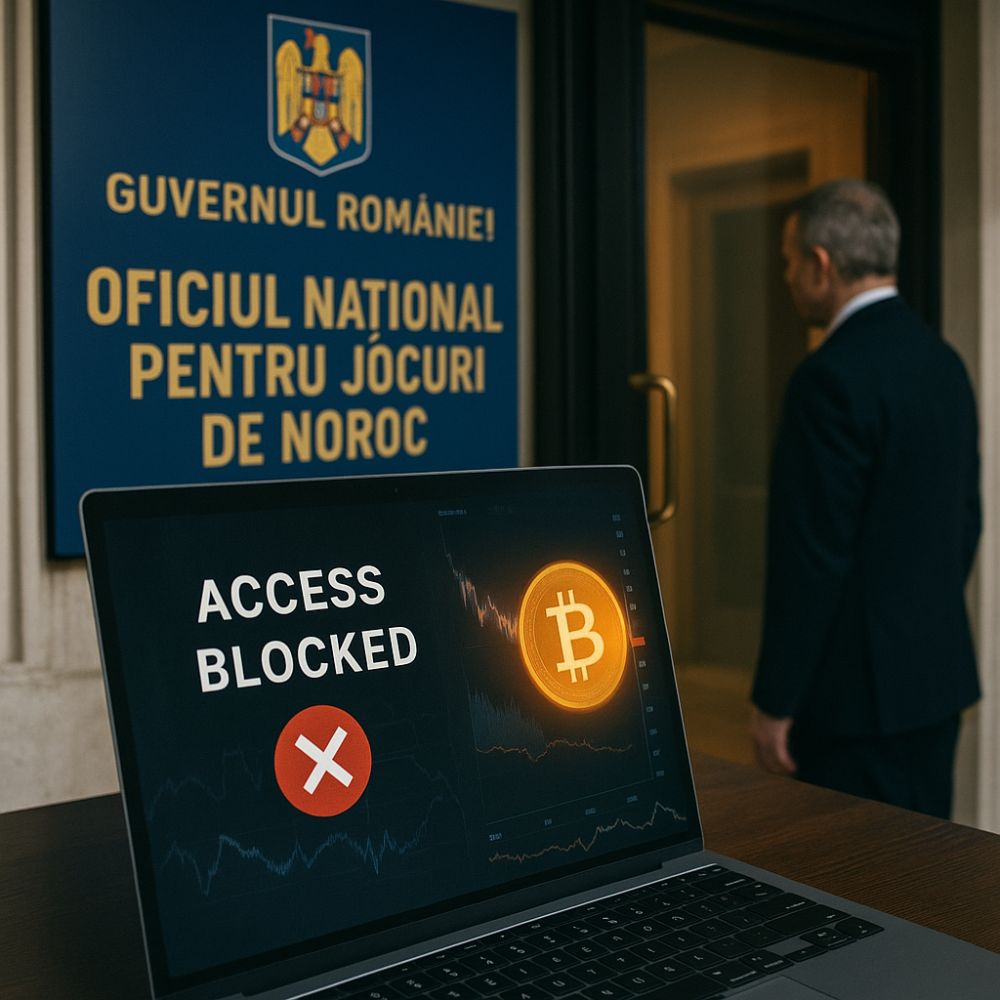
Romania has entered the spotlight in the global crypto regulation arena after the National Office for Gambling officially blacklisted Polymarket, labeling its services as unlicensed gambling. The move targets one of the most prominent prediction markets in the blockchain ecosystem and sends a strong signal to digital finance platforms operating in Europe without proper regulatory approvals.
Polymarket, a decentralized prediction market that allows users to place funds on real world events, has rapidly grown in popularity due to its blockchain based model. The platform enables speculation on political outcomes, global events, sports, financial trends, and cultural news. However, Romania now argues that such activity falls directly under regulated gambling law, regardless of whether wagers occur in fiat or cryptocurrency.
The decision brings new legal attention to the expanding prediction market sector and raises broader questions around how European countries will classify and regulate crypto based wagering platforms. While decentralized markets are growing rapidly across the United States, Europe continues to develop frameworks to govern their operation.
So far, financial markets show no meaningful reaction to the Romanian announcement. Major digital assets such as Bitcoin and Ethereum remain stable following the regulatory action. The ruling instead places Polymarket, the Polygon network that supports its transactions, and Romania’s evolving regulatory stance in the center of industry attention.
Romania Declares Polymarket Illegal Under Gambling Code
A Strict Regulatory Position
Romania’s gambling authority has ruled that Polymarket operates illegally within the country because it does not hold the required license to offer betting services. According to the agency, any platform that allows individuals to bet money on uncertain future outcomes must comply with national gambling laws.
The Office’s president, Vlad Cristian Soare, made the position clear when confirming the decision. He explained that Polymarket’s nature as a blockchain project does not exempt it from traditional gambling rules.
Official Government Position
Soare emphasized that technological innovation and cryptocurrency do not override legislation. In his official statement he noted that the regulation is focused on the act of wagering, not the platform structure.
He stated that if a user is placing funds on uncertain future results, whether denominated in fiat or cryptocurrency, the activity falls within the legal definition of gambling in Romania. Therefore, Polymarket must be licensed to legally operate within national jurisdiction.
Local internet service providers have been instructed to restrict access to the platform, enforcing a mandatory geo block for Romanian users. Failure to comply with gambling registration requirements triggers automatic blacklisting, which is now in effect.
Crypto Market Reaction and Industry Context
Little Immediate Market Impact
Despite concerns that the decision could ripple across the cryptocurrency space, the ruling has not caused significant reactions within broader cryptocurrency markets. Bitcoin and Ethereum remain steady, and Polygon’s MATIC token shows no dramatic changes in trading volume following the announcement.
While the ruling specifically impacts Polymarket’s operations and access in one European jurisdiction, traders do not currently view the event as a destabilizing factor for crypto markets overall. Market analysts argue that isolated regulatory actions typically create operational shifts rather than systemic market disruptions.
A Reminder for Crypto Platforms
Industry observers view Romania’s decision as a reminder that prediction platforms, especially those involving real money wagering, must think strategically about regional compliance expectations. While some countries classify prediction markets as financial derivative products, others apply gambling law frameworks instead.
The lack of unified global standards continues to challenge blockchain startups and financial innovators who operate across multiple jurisdictions. Romania’s action may influence platforms with similar models that have not yet obtained relevant legal approvals in the European market.
Why Romania Targeted Polymarket
Enforcement of Gambling Statutes
Romania’s decision is based on its legal interpretation that betting on future outcomes constitutes gambling. While Polymarket positions itself as a prediction network supporting open information markets, the Romanian regulator has taken a clear view that any exchange of funds on speculative outcomes requires gambling licensing.
The government insists that the ruling is technology neutral, meaning cryptocurrency does not change the nature of a betting activity. The official stance is that allowing unlicensed digital betting undermines regulatory supervision and consumer protection.
Crypto and Compliance Trends in Europe
Romania’s stance fits within a broader European trend where regulators are increasingly monitoring digital finance platforms. European countries continue adapting legal structures to digital assets and blockchain services, particularly those involving digital speculation or user funds.
Notably, Romania has been progressively strengthening oversight of online finance and the movement of funds in the digital economy. The move aligns with national and European Union directives aimed at preventing financial activities outside regulated systems.
Potential Ripple Effects for the Crypto Industry
Prediction Markets Under Scrutiny
Prediction markets have grown into a major niche within decentralized finance, offering users a way to trade outcomes on elections, sports events, economic reports, global conflicts, and more. These platforms operate differently from traditional gambling sites by framing participation as information trading.
However, Romania’s ruling shows that regulators may not distinguish between classical gambling and blockchain powered prediction technologies. Additional European authorities may take similar enforcement measures as the industry expands and gains attention.
The Role of Blockchain in Finance Regulation
Romania’s message to crypto innovators is clear: the presence of blockchain does not shield businesses from compliance responsibilities. Policymakers continue to assert that financial activities, regardless of platform structure, must align with existing legal frameworks.
Crypto industry analysts note that the decision is unlikely to be the last of its kind. As decentralized applications reach more users, emerging models around prediction markets, synthetic trading, and tokenized betting may require pre-emptive regulatory planning from developers.
Will Polymarket Respond or Adapt?
As of publication, Polymarket has not issued an official response. The company has historically operated under the stance that its services do not constitute traditional gambling but rather information markets. Romania’s interpretation challenges that position and could influence future regulatory dialogue across Europe.
If Polymarket chooses to remain accessible in regulated regions, it may consider applying for gambling licenses or restructuring its offerings to meet jurisdiction specific compliance standards. Alternatively, it may rely on its decentralized model and focus on markets that permit prediction activity.
Romania’s blacklisting of Polymarket highlights an emerging regulatory battleground for prediction platforms in Europe. While major cryptocurrencies show no significant reaction, the decision sets a precedent emphasizing legal clarity and compliance obligations for decentralized services handling speculative activity.
The move reinforces how governments are tightening frameworks for crypto services and signals an intensifying global debate over how to categorize blockchain based prediction markets. As adoption grows, platforms will likely face mounting pressure to meet regulatory expectations, secure licensing, and adapt to varied international rules.
For the crypto community, the ruling provides an important reminder: innovation and decentralization alone cannot guarantee regulatory exemption. The intersection of blockchain, finance, and law continues to evolve rapidly, and compliance readiness is becoming a critical competitive factor for the next phase of crypto growth.









