




















































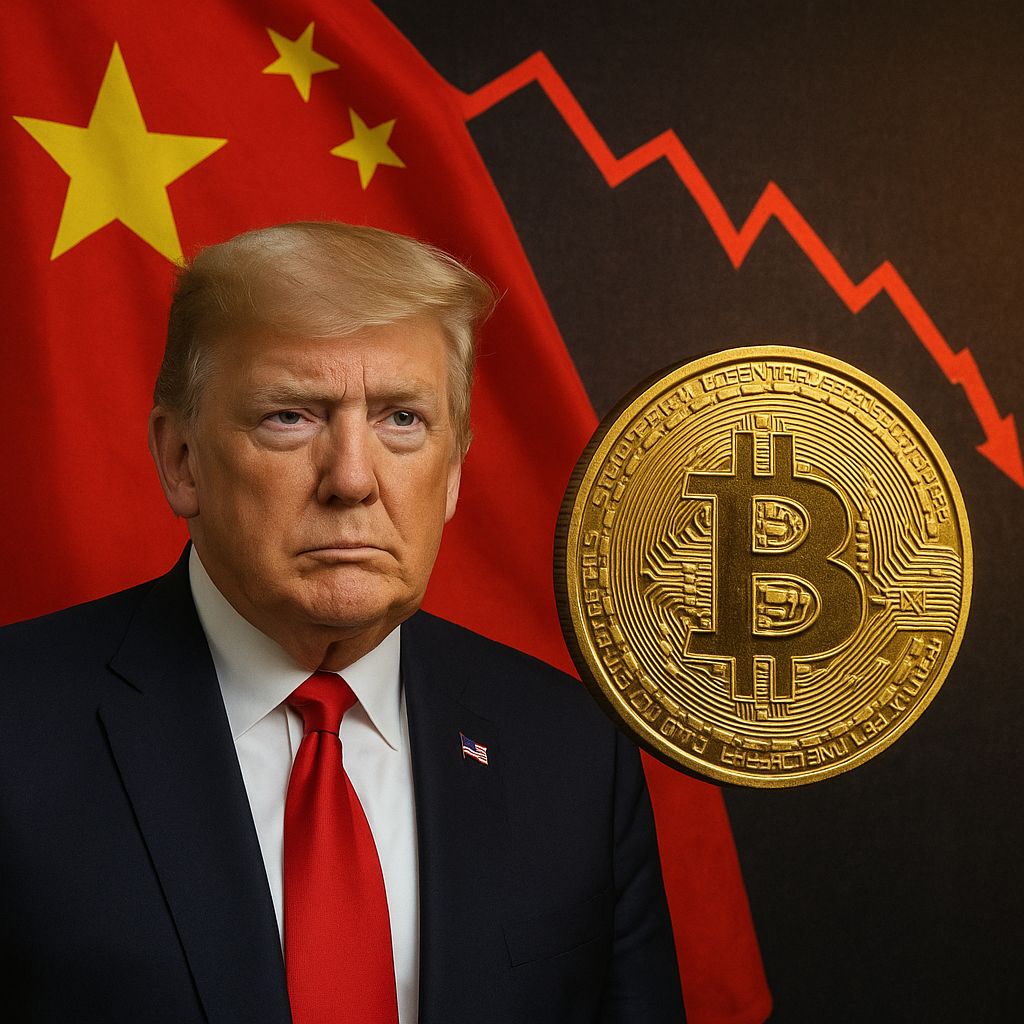
China has officially reaffirmed its strict anti-crypto stance, delivering one of its most direct warnings yet against stablecoins, even as Asia’s institutional banking giants accelerate deeper into Bitcoin and Ethereum financial markets. While Beijing rejects crypto entirely, Japan and Singapore are rapidly expanding regulated digital asset activity, making Asia the most divided region in the global digital finance landscape.
With China warning of enforcement and financial risks, Japanese regulators launching the first yen-backed stablecoin, and Singapore’s DBS Bank executing landmark crypto derivatives trades with Goldman Sachs, regional competition in digital finance is intensifying. At the same time, shocking new data from South Korea links crypto flows to cross-border criminal networks, adding pressure for regional oversight reforms.
This latest Asia crypto shift marks a defining moment as nations choose between embracing digital asset innovation or strengthening controls. Markets are watching closely to determine how this regulatory split may shape liquidity, institutional adoption, and crypto development across the region.
China Officially Rejects Stablecoins and Reaffirms Crypto Prohibitions
China’s central bank has broken its silence on stablecoins, ending speculation about a potential regulatory softening. In a keynote speech in Beijing, People’s Bank of China Governor Pan Gongsheng made it clear that the country has no intention of loosening its crypto restrictions.
Pan confirmed that Beijing will continue enforcing the policies first established in 2017, which banned trading, mining, and participation in crypto markets. Despite increasing crypto activity in Hong Kong under a new regulatory framework, the mainland remains firm.
Pan stated that Chinese authorities will maintain strict coordination with law enforcement to combat what the government views as illicit use of digital assets, including trading and speculation. His message confirmed continuity, not change.
Pan also criticized stablecoins, calling them immature, risky, and incompatible with anti-money laundering controls. He said that stablecoins could facilitate illegal capital flows and terrorist financing through cross-border channels.
China will continue to monitor offshore stablecoins and track global developments, but this stance leaves little room for regulatory experimentation. Despite crypto adoption gaining strength across the world, China remains committed to advancing only its state-controlled digital yuan and rejecting private digital assets.
Japan Launches Yen-Backed Stablecoin and Brings Yen Yield Curve On-Chain
While China intensifies its crypto opposition, Japan is moving in the opposite direction. This week, the first fully licensed Japanese yen-backed stablecoin, JPYC, launched, clearing the way for regulated digital yen products in decentralized finance.
Swiss-based Secured Finance AG has introduced new JPYC-denominated fixed-rate lending markets that allow users to earn onchain yield tied to Japanese interest rates. This milestone creates the first decentralized yen yield curve and bridges Japan’s traditional finance system to blockchain markets.
The Japanese yen plays a critical role in global capital markets due to its historically low interest rates. The yen has long served as a leading funding currency for international carry trades, where investors borrow in yen to seek higher returns abroad.
A similar carry trade unwinding in mid-2024 triggered volatility across markets, including crypto. With JPYC now live, the yen is entering DeFi in a regulated framework, signaling Japan’s intention to expand the yen’s role in global digital finance infrastructure.
Japan’s move stands in sharp contrast to China’s restrictive position. Tokyo is taking a regulatory-first approach, aiming to boost innovation while maintaining oversight, and positioning itself as a digital finance leader in Asia.
DBS and Goldman Sachs Conduct First-Ever Cross-Bank Crypto Options Trade in Asia
Institutional crypto adoption in Asia took a major leap forward as Singapore’s DBS Bank and Goldman Sachs completed an over-the-counter Bitcoin and Ethereum options trade. This trade marks the first time two banks have executed cryptocurrency options directly, without traditional exchange involvement.
DBS remains one of the most advanced crypto-active banks in the region. The bank secured its crypto license in 2021 and operates fully verified digital asset custody and trading services. With more than 600 billion dollars in assets, DBS has emerged as a leader in regulated crypto finance across Asia.
Goldman Sachs also continues expanding its institutional crypto trading operations, adding to growing demand among global asset managers and private wealth clients seeking exposure to Bitcoin and Ether.
This bilateral trade signals a maturing derivatives market for digital assets in Asia, giving institutions new risk-management tools and aligning crypto with traditional finance standards. It also underscores Singapore’s role as a digital asset capital, opposite China’s regulatory position.
South Korea Flags Explosive Rise in Crypto Transfers Linked to Cambodian Scam Networks
New data from South Korea has uncovered a massive surge in crypto flows between Korean exchanges and a Cambodian platform tied to international criminal activity.
Transfers to Huione Guarantee, associated with a sanctioned scam network, rose nearly 1,400 times in one year. South Korean financial regulators reported that crypto flows between major Korean exchanges and Huione totaled nearly 9 million dollars in 2024, up from only a few thousand dollars the previous year.
Huione is linked to severe criminal activity, including online fraud, forced labor sites, and alleged human trafficking related to crypto scam compounds in Southeast Asia. The dramatic spike has triggered calls for stronger cross-border monitoring and enforcement in the digital asset sector.
This development comes as South Korea strengthens crypto oversight following rapid retail trading adoption and the rise of blockchain-linked crime rings in Asia. Authorities warn that increasing digital asset flows can create opportunities for financial abuse and cybercrime without strict compliance frameworks.
Crypto Outlook in Asia: A Region Splitting Between Innovation and Restriction
The Asian crypto landscape is rapidly diverging.
China is reinforcing prohibition, signalling a long-term commitment to centralised digital currency control. Japan is building regulated digital infrastructure around its national currency. Singapore is enabling institutional crypto markets through large banking partnerships. South Korea is tightening oversight to prevent crime.
These differences may shape where capital, developers, and investors move. Regions that support regulated crypto innovation could attract global institutional flows, while markets that enforce bans may see slower fintech evolution.
As private digital asset systems grow worldwide, Asia’s power balance in financial technology will depend on how each nation adapts. For now, the region remains a defining battlefield between state control and decentralized digital finance.









