


























































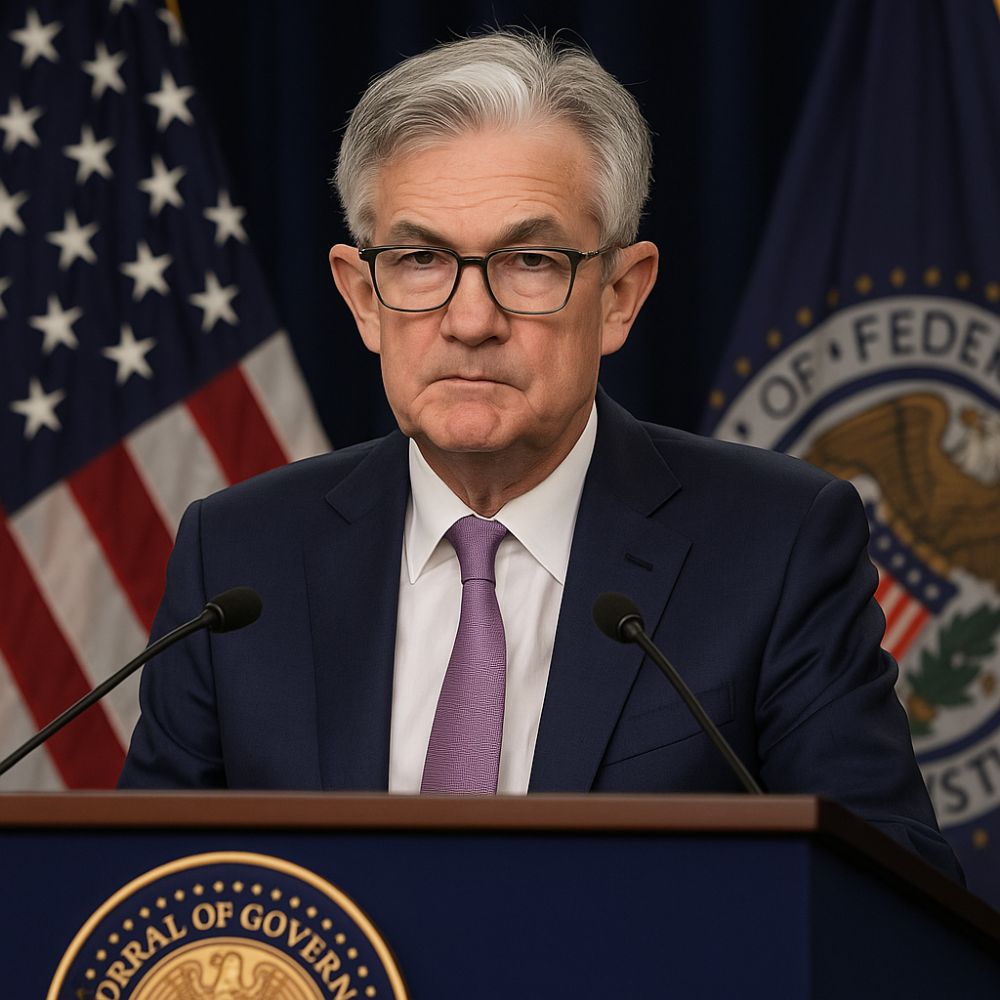
The financial markets have once again shifted their attention toward the Federal Reserve, and the latest data has sparked a significant change in expectations. Traders in the United States interest rate futures market now estimate a 78 percent probability that the Federal Reserve will stop its cycle of rate cuts in January 2026. This represents a meaningful jump from the 70 percent probability priced in prior to the latest Federal Open Market Committee meeting. The increase reflects a broad reassessment of how the economy, inflation dynamics, and monetary policy are likely to evolve over the next two years.
This development has quickly become a focal point for analysts, investors, and policymakers. Understanding what this rising probability means, what caused the shift, and how it influences financial markets is essential for anyone making economic or investment decisions.
Understanding the Meaning of a Fed Pause in Rate Cuts
The term Fed pause is sometimes misinterpreted by the general public. In the context of the current monetary cycle, it refers to the point at which the Federal Reserve stops reducing interest rates and chooses to hold them steady. This does not mean that the Fed is permanently maintaining the same rate. Instead, it signals that policymakers believe they have reached a level where further reductions are not immediately required.
A pause is a strategic decision. It allows central bankers time to evaluate whether previous rate cuts are adequately influencing inflation, spending, credit conditions, and broader economic activity. By early 2026, the market expects the Fed to have lowered rates enough to justify such a pause. The sharp increase in the probability of a January 2026 pause suggests that traders now believe the Fed will take a slower and more cautious approach to easing policy.
This shift in expectations is not accidental. It stems directly from the latest FOMC communication, including updated economic projections, official statements, and commentary from the Chair. These communications influence long term interest rate markets and provide guidance on how the Fed is interpreting economic conditions. The new market sentiment indicates that the Fed may be signaling a more measured path ahead.
What Drove the Sudden Increase in the Probability of a Fed Pause
The jump from a 70 percent to a 78 percent probability is a notable signal that financial markets interpreted the FOMC decision as more cautious than before. Several elements of the meeting may have contributed to this revised outlook.
One of the key factors was the updated economic projections. The Fed releases a summary of individual policymakers expectations for future interest rates, sometimes referred to as the dot plot. If the projections show fewer rate cuts or a longer path toward reaching a neutral policy stance, traders will adjust their expectations accordingly.
Inflation concerns remain another significant influence. Even if inflation has been trending downward, the Fed may have emphasized the possibility of persistent price pressures. When inflation appears sticky, central bankers prefer to avoid lowering rates too aggressively. A message of caution can easily shift expectations for when the Fed will end its rate cutting phase.
Stronger than expected economic conditions may also be contributing to the change. If employment, wage growth, or consumer spending remain resilient, the Fed has less urgency to stimulate the economy through lower borrowing costs. This resilience would support the case for a later pause.
The combination of these elements is influencing traders to reprice the expected timeline for monetary easing. Instead of anticipating a faster path toward lower rates, the market appears to be preparing for a more extended adjustment period.
How a Fed Pause Impacts Borrowing, Saving, and Investment Decisions
The implications of a Fed pause extend far beyond the futures market. When expectations shift, financial conditions adjust in real time. Higher long term interest rate expectations can influence everything from mortgage costs to corporate borrowing behavior.
If the pause occurs later than previously expected, interest rates on mortgages and other loans may remain elevated for a longer period. This increase in borrowing costs affects home buyers, businesses considering expansion, and individuals managing high interest debt. At the same time, savers may benefit from higher yields on savings accounts, certificates of deposit, and treasury instruments.
Investors must also understand how a Fed pause shapes market performance. Equity sectors react differently to evolving rate expectations. Growth stocks, particularly those reliant on future earnings, tend to face pressure in a higher rate environment, while financial firms may benefit from prolonged elevated rates. The stock market typically prefers clarity, and the new expectations provide a clearer time horizon for when monetary conditions may stabilize.
Beyond investors and borrowers, the broader economy is also influenced. A later pause indicates the Fed believes the economy is strong enough to function without aggressive stimulus. This can be interpreted as a sign of underlying economic health, even if inflation remains a moderating concern.
Understanding this interplay between expectations and outcomes is essential for navigating the months and years ahead.
The Market Path to a Potential January 2026 Fed Pause
The probability of a January 2026 pause represents a snapshot of current expectations rather than a firm prediction. The path to that moment depends heavily on upcoming economic reports. Inflation data, employment figures, wage trends, consumer sentiment, and corporate investment patterns will all influence both the Fed and the market.
Traders should pay careful attention to core inflation indicators, especially those tracking shelter, services, and wage dynamics. These categories often determine how quickly inflation moderates, and therefore how quickly the Fed feels comfortable pausing its rate cuts.
The Fed itself remains highly data dependent. Policymakers are prepared to adjust their strategy if economic conditions evolve unexpectedly. If inflation declines faster than anticipated or if unemployment begins to rise, the Fed may accelerate the pace of cuts, making a January 2026 pause more conservative than necessary. If inflation resurges, the pause could be delayed further into 2026.
The central message from the latest market pricing is clear. Investors are increasingly confident that the rate cutting cycle will reach a natural stopping point in early 2026. This does not suggest abrupt policy reversal. Rather, it reflects an expectation of a steady, cautious approach to ensuring financial stability.
Why This Shift Represents a Major Turning Point in Market Sentiment
The move to a 78 percent probability is more than a technical adjustment in market pricing. It signals that traders believe the Fed is entering a new phase of strategic management. Over the last several years, markets have experienced rapid shifts including aggressive rate hikes, inflation surges, widespread financial tightening, and varied interpretations of economic resilience.
This new probability indicates confidence that the Fed is nearing the final phase of its normalization process. This offers a clearer framework for long term economic planning. Individuals, businesses, and investors can begin aligning expectations around more stable interest rate conditions in the period following January 2026.
Even if the path becomes more volatile, the shift in sentiment marks a notable milestone. It reinforces the message that monetary policy is gradually moving away from emergency responses and toward a more sustainable long term strategy.
Frequently Asked Questions
What is a Fed pause in rate cuts
A Fed pause occurs when the central bank stops adjusting interest rates within a cutting cycle. It allows policymakers to observe economic trends before deciding on future moves.
How is the 78 percent probability determined
The percentage comes from the pricing of United States interest rate futures contracts. These financial instruments reflect traders expectations of future Fed policy.
Does a pause mean the end of all future rate cuts
No. It only marks the expected end of the current cycle. The Fed can resume adjusting rates if new data requires it.
What does this mean for investors
Investors may need to prepare for a longer period of elevated interest rates. This could influence portfolio allocation, sector weighting, and risk management strategies.
Can the odds change quickly
Yes. These probabilities fluctuate frequently as economic data is released and as Federal Reserve officials make public statements.
Why is January 2026 important
January 2026 is the date that futures markets currently view as the most probable point for the Fed to halt rate cuts. The timing reflects the expected long term path of monetary easing









