






















































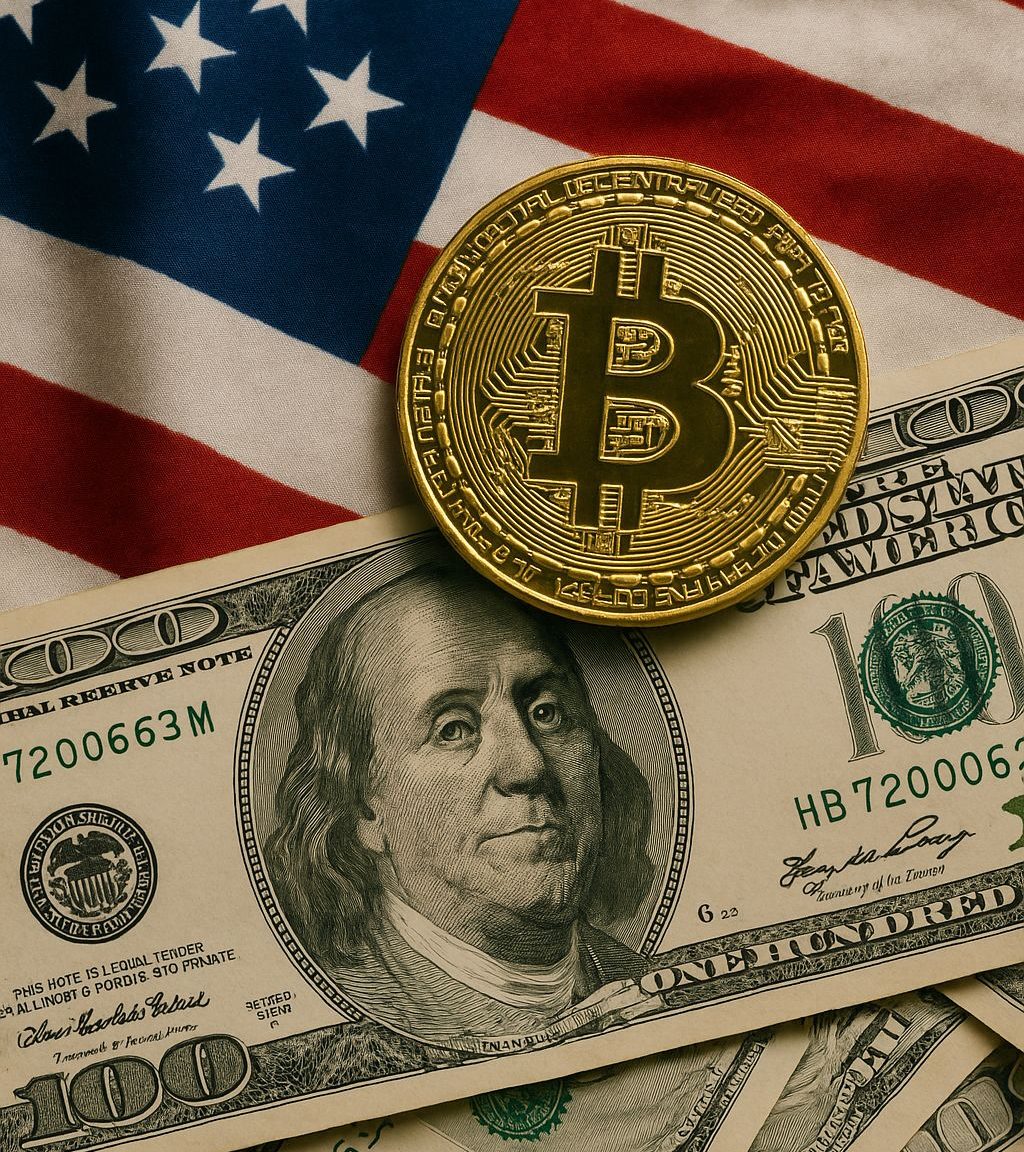
U.S. Banks Get the Green Light to Offer Bitcoin Custody Services
In a historic decision that marks a major turning point in the relationship between traditional finance and digital assets, the Federal Reserve, alongside two of the United States’ most powerful financial regulator,s has officially announced that U.S. banks are now authorized to offer custody services for Bitcoin and other cryptocurrencies. This groundbreaking regulatory clarification paves the way for mainstream adoption of crypto in the banking sector.
Until now, most financial institutions in the U.S. have remained hesitant to enter the crypto space due to legal uncertainties and a lack of clear regulatory guidance. But with this latest directive, banks now have the official green light to secure and manage crypto assets on behalf of their clients. This change is expected to drive a new wave of institutional interest, increase consumer trust, and ultimately push Bitcoin and other digital assets into the core of the global financial system.
Major Regulators Unite: The Fed, OCC, and FDIC Endorse Crypto Custody
The joint statement came from three of the most influential regulatory bodies in the United States:
- The Federal Reserve
- The Office of the Comptroller of the Currency (OCC)
- The Federal Deposit Insurance Corporation (FDIC)
Their combined authority delivers a powerful message to both the traditional financial sector and the crypto industry: digital assets are no longer operating on the fringes, they’re being woven into the fabric of the regulated financial system.
The approval also outlines clear expectations: banks must continue to uphold robust risk management, implement advanced cybersecurity frameworks, and comply with all anti-money laundering (AML) and know-your-customer (KYC) protocols. However, the mere existence of a clear path forward removes the fog of uncertainty that has hovered over U.S. banking institutions for years.
A Catalyst for Innovation in Traditional and Decentralized Finance
This green light is more than just a policy shift it is the start of a potential revolution in financial services. With regulated banks now allowed to offer crypto custody, we can expect a wide range of new products and services to enter the market. Some of the anticipated innovations include:
- Interest-bearing crypto savings accounts
- FDIC-insured digital wallets
- Integrated platforms for crypto and fiat trading
- Tokenized traditional assets
- Decentralized Finance (DeFi) bridging with regulated institutions
These advancements will not only provide more security and transparency for everyday users, but they will also enable financial institutions to compete with the rapidly evolving crypto-native platforms that have been operating in parallel for the past decade.
This blend of traditional finance (TradFi) and decentralized finance (DeFi) could reshape the global financial architecture, with the U.S. playing a leading role in building a compliant and scalable digital economy.
What This Means for Investors and the Crypto Market
For investors, both retail and institutional,l this move is a clear bullish signal. Crypto markets thrive on confidence, and with the backing of America’s largest financial regulators, confidence in Bitcoin and other digital assets is expected to surge. Financial institutions offering secure, insured, and regulated custody solutions remove one of the biggest barriers for traditional investors: the fear of losing their assets due to security flaws or a lack of legal protections.
We are also likely to see a competitive rush among U.S. banks to adopt and offer cryptocurrency custody services, which could lead to lower fees, improved customer service, and faster crypto integration at the national level. The market may also see new custodial partnerships between fintech startups and traditional financial giants.
Furthermore, this decision significantly strengthens Bitcoin’s positioning as a legitimate, institutional-grade asset, something that can be held in the same portfolios as government bonds and blue-chip stocks.
Regulatory Clarity: The Turning Point Crypto Needed
The joint statement does more than just allow custody, it provides long-awaited regulatory clarity that reassures investors, developers, and corporations alike. For years, inconsistent messaging and fragmented oversight discouraged banks from engaging with crypto. Now, with unified support from the Fed, OCC, and FDIC, the legal groundwork has been laid for a structured and responsible crypto-banking ecosystem.
This clarity will likely encourage the development of:
- More compliant crypto startups
- Institutional DeFi products
- Transparent auditing tools
- Blockchain-based payment systems
The ripple effect will not just be felt in the U.S. It will likely influence how other central banks and global financial regulators view cryptocurrency integration in the years ahead.
Long-Term Impact on Bitcoin and Crypto Adoption
Bitcoin’s adoption curve may now accelerate dramatically. With the safety and reputation of trusted banks backing digital asset custody, millions of skeptical users may now feel it’s “safe enough” to enter the market. In parallel, financial advisors and wealth managers who previously hesitated to recommend crypto now have the regulatory framework to justify its inclusion in portfolios.
This move may also result in:
- Larger allocations of Bitcoin in pension funds and endowments
- Expansion of ETF and index fund offerings tied to crypto
- Broader use of Bitcoin for international transfers and settlement
- Enhanced liquidity across centralized and decentralized exchanges
Ultimately, the decision by U.S. regulators to embrace crypto custody services may go down as one of the most important milestones in the history of financial innovation.
Conclusion: Traditional Finance and Crypto Finally Converge
The era of crypto being seen as an outlier to mainstream finance is ending. The decision by U.S. banking regulators to allow Bitcoin custody services within regulated financial institutions is a resounding affirmation that digital assets are here to stay.
With proper safeguards and regulatory frameworks now in place, the U.S. is signaling to the world that it intends to lead in the responsible development and integration of cryptocurrencies. This move could usher in a new wave of adoption, innovation, and investment opportunities, fusing the security and trust of the banking sector with the borderless innovation of blockchain technology.
For crypto users, investors, and institutions alike, this is just the beginning of a new financial era, where Bitcoin is no longer on the outside looking in, but sitting comfortably inside the vaults of the very banks that once feared it.









