




























































A New Era for U.S. Crypto Regulation
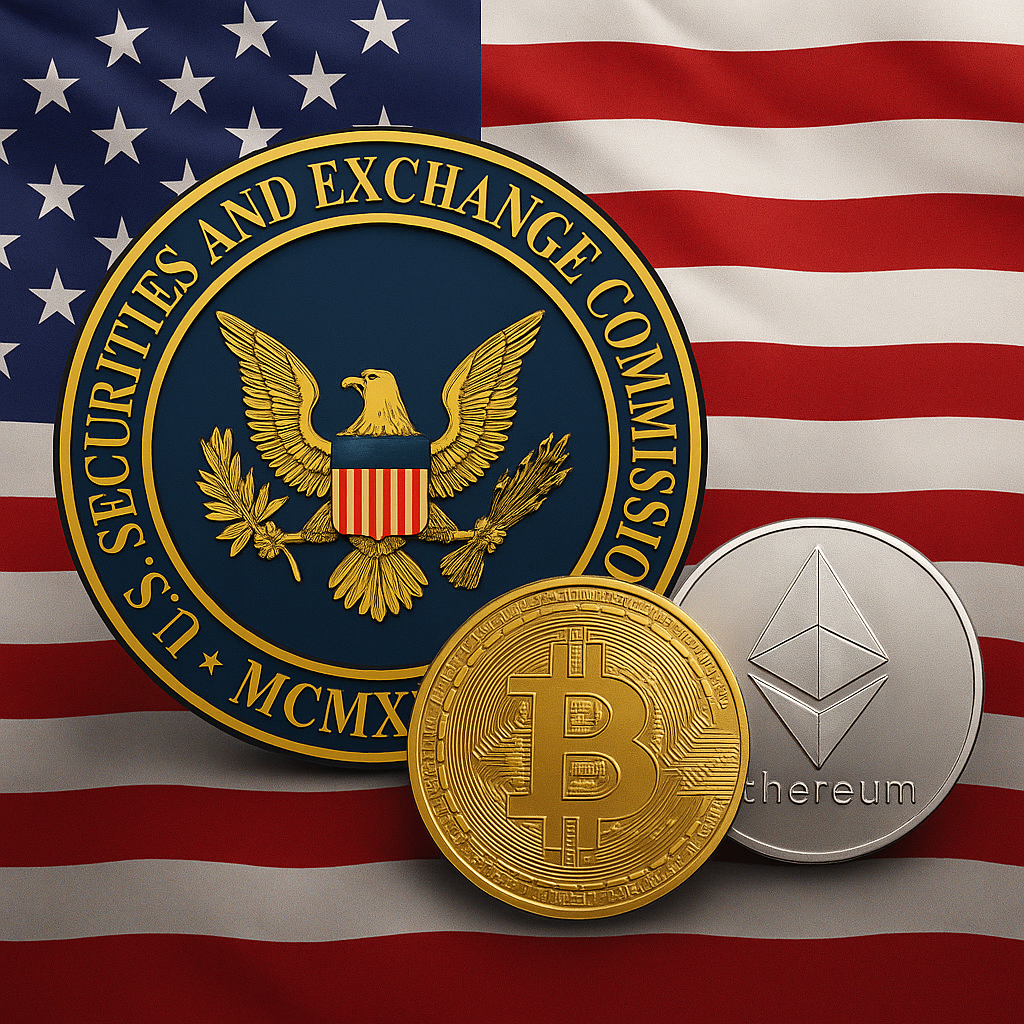
The United States Securities and Exchange Commission (SEC) has taken a dramatic step that could transform the nation into a global hub of cryptocurrency innovation. For years, the crypto industry has wrestled with regulatory uncertainty, with enforcement actions often taking center stage. Now, that era is shifting. SEC Chairman Paul S. Atkins has announced a sweeping new strategy designed to bring clarity, foster innovation, and position the United States as the undisputed leader in blockchain technology and digital finance.
This bold plan includes redefining how most crypto tokens are classified, reducing barriers for blockchain startups, and encouraging institutional involvement on a scale never seen before. Industry leaders, investors, and crypto enthusiasts are calling this announcement a potential game-changer that could redefine the global financial system for decades to come.
SEC’s Groundbreaking Shift in Regulatory Philosophy
The SEC has long been criticized for its enforcement-heavy stance on cryptocurrency. From lawsuits against major exchanges to disputes over whether tokens should be treated as securities, the lack of clarity created fear, hesitation, and missed opportunities. But with Atkins’ latest announcement at the OECD Global Financial Markets Roundtable, the United States is turning the page.
Instead of focusing primarily on punishment and restriction, the SEC is moving toward regulatory clarity, innovation-friendly frameworks, and capital formation. This marks one of the most significant shifts in U.S. crypto policy history. Atkins made it clear that most crypto tokens will no longer be treated as securities, drastically reducing the legal risks for projects, developers, and investors.
This new framework is designed not just to prevent fraud but also to encourage legitimate innovation. The United States has been losing ground to global crypto hubs like Switzerland, Singapore, and the United Arab Emirates. With this policy change, America is signaling its intention to compete directly for dominance in the crypto economy.
Why Tokens Will No Longer Be Classified as Securities
One of the most groundbreaking aspects of this policy is the SEC’s decision to exclude most crypto tokens from the “securities” label. For years, projects feared that their tokens could suddenly be classified as unregistered securities, triggering costly lawsuits and compliance burdens. This fear stifled innovation and drove many companies overseas.
Now, under Atkins’ leadership, the SEC is making it clear: most tokens are not securities. Instead, they will be governed by smart, tailored regulations designed to balance innovation with consumer protection.
This change paves the way for:
- Simplified fundraising: Startups can raise capital through token sales without fear of retroactive legal action.
- Unified service platforms: Exchanges and platforms can expand into lending, staking, and other services without the constant threat of enforcement.
- Broader custody options: Institutions and custodians will be encouraged to provide secure storage solutions, making digital assets more accessible to mainstream investors.
As Atkins explained, “Most crypto assets are not securities. Regulation must be smart, effective, and appropriately tailored within the confines of our statutory authority.”
Positive Industry and Market Response
The crypto industry has responded with overwhelming optimism. Market leaders and institutional investors see this as the clarity they’ve been waiting for. Statements of support from organizations like the President’s Working Group on Digital Asset Markets further underscore the importance of this regulatory shift.
Ethereum (ETH), for instance, is already showing strong trading momentum, with a market cap exceeding $522 billion and a daily trading volume surpassing $39 billion. Analysts expect that the new SEC approach will drive even more liquidity and on-chain activity, as institutional players can now participate with reduced legal risk.
For many companies, this is the green light to expand operations in the United States rather than relocating abroad. The SEC’s move could reverse the trend of “crypto flight” and bring billions in new investment back into U.S. markets.
How the SEC’s Plan Could Spark a U.S. Crypto Boom
The United States has always been a hub for financial innovation, and this new regulatory framework could spark the next great crypto boom. Here are some of the most significant implications:
1. Institutional Adoption Will Accelerate
With tokens no longer at constant risk of being classified as securities, banks, hedge funds, and corporations will feel more confident entering the market. Institutional money could flow into Ethereum, Bitcoin, and other assets at unprecedented levels.
2. Innovation-Friendly Policies Will Attract Startups
Blockchain startups have often avoided the U.S. due to regulatory fears. Now, with a clear path forward, the U.S. could become the preferred launchpad for crypto innovation.
3. Increased Liquidity in U.S. Exchanges
With legal clarity, U.S.-based exchanges will be able to expand their offerings, attract more users, and create deeper liquidity pools. This could also mean reduced trading spreads and more efficient markets.
4. Global Leadership in Blockchain Technology
By establishing itself as the safest and most innovative crypto environment, the U.S. could rival and surpass Switzerland and Singapore in blockchain leadership.
Comparing U.S. Policy to Global Approaches
This policy shift mirrors successful models already implemented abroad. Switzerland’s “Crypto Valley” and Singapore’s crypto-friendly regulatory framework have attracted thousands of blockchain companies. By adopting similar reforms, the U.S. is signaling that it is ready to compete for global dominance.
Unlike past approaches that chased innovation away, the U.S. now aims to build a thriving digital economy at home. Analysts believe this could solidify the dollar’s dominance in global finance while also making the U.S. the central hub for blockchain innovation.
Potential Risks and Criticisms
While excitement is high, not everyone is convinced. Critics argue that reducing restrictions could open the door to fraud and market manipulation. Consumer advocacy groups warn that without strong protections, inexperienced investors could still fall victim to scams.
The SEC insists, however, that the shift does not mean deregulation. Instead, it is a recalibration, focusing on innovative and effective oversight rather than blanket enforcement. Atkins emphasized that fraud and abuse will still be aggressively pursued. The difference is that unclear or inconsistent rules will not punish legitimate innovation.
America’s Crypto Future Is Taking Shape
The SEC’s new approach is nothing short of historic. By clarifying regulations, removing the securities label from most tokens, and embracing innovation, the United States is positioning itself as the future leader of global cryptocurrency.
This policy shift could unleash a wave of institutional investment, inspire thousands of new startups, and cement the U.S. as the blockchain superpower of the 21st century. While challenges remain, the direction is clear: America is ready to lead the digital revolution.
The world will be watching closely as the SEC’s bold strategy unfolds. If successful, this move could define the next era of finance, innovation, and economic growth, with the United States at its center.