


























































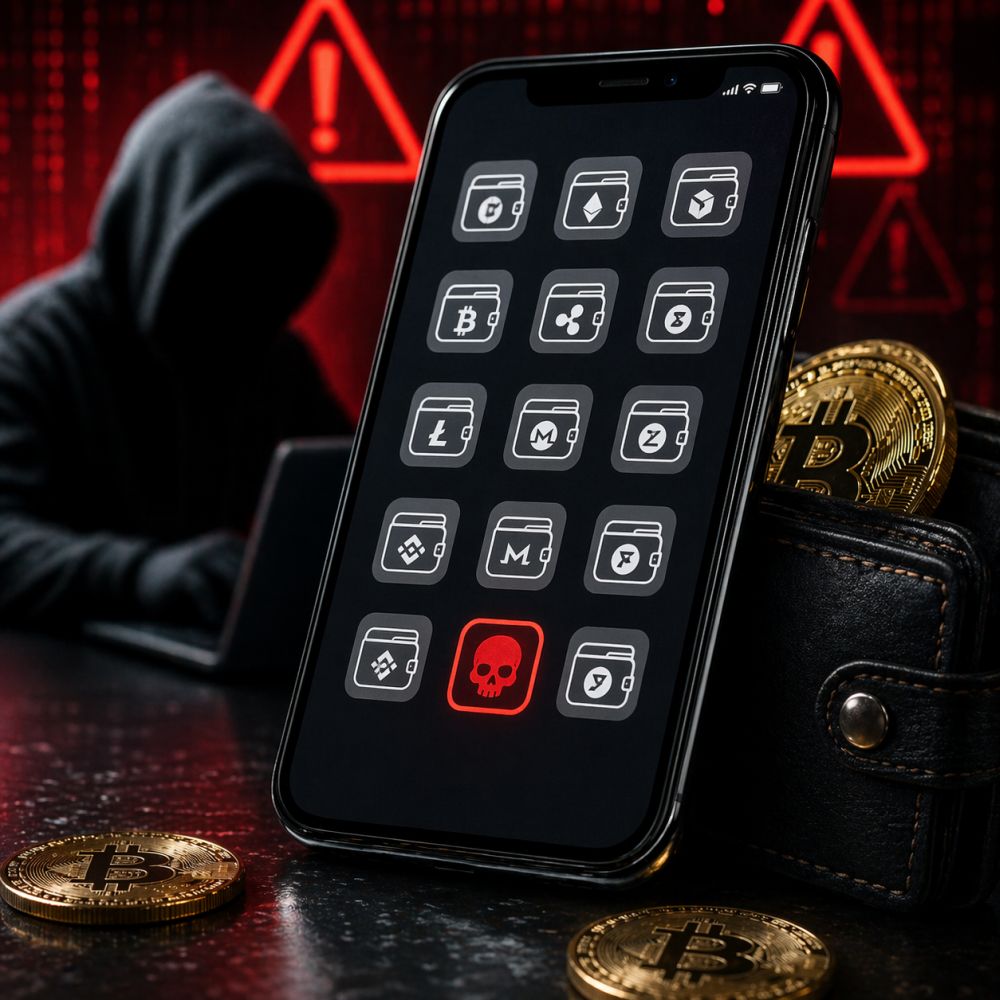
Protecting your digital assets starts with staying informed about the latest security threats. This detailed guide explores a recent warning from Kaspersky regarding 26 fraudulent cryptocurrency wallet applications found on the Apple App Store. By understanding how these malicious apps operate, you can better safeguard your iPhone and your crypto portfolio from sophisticated phishing attacks.
The security of mobile devices is a top priority for cryptocurrency investors, especially those using iPhones who often rely on the perceived safety of the Apple App Store. However, a recent investigation by the cybersecurity experts at Kaspersky has revealed a disturbing trend. They have identified 26 fraudulent applications that managed to bypass Apple-s initial security filters. These apps were specifically designed to mimic popular cryptocurrency wallets, including well-known names like MetaMask, Ledger, Coinbase, and Trust Wallet. The goal of these malicious programs is simple yet devastating: to gain access to your private keys and recovery phrases so that attackers can drain your digital funds.
The campaign, which has been active since at least the fall of 2025, has been attributed with moderate confidence to a threat actor group known as SparkKitty. These attackers use a clever method to remain undetected. Instead of the initial app itself being overtly malicious, it often acts as a -stub- application. These stubs might appear to be harmless tools like calculators, task managers, or simple games. Once a user downloads one of these innocent-looking apps, the program directs them to a phishing website that looks exactly like the official App Store. From there, users are prompted to download what they believe is a -required update- or a -professional version- of their crypto wallet, which is actually a trojanized version of the software.
How The FakeWallet Attack Chain Functions To Deceive iOS Users
Understanding the mechanics of the FakeWallet attack is essential for any iPhone user. The initial point of contact is often through the Chinese App Store, where certain official crypto wallets are restricted. Attackers take advantage of this by creating apps with similar names and icons – a tactic known as typosquatting. For example, they might use a name that is just one letter off from the original or use an icon that is virtually indistinguishable from the legitimate brand. When the user opens the stub app, they are presented with banners claiming that the official wallet is unavailable and providing a link to download it directly.
This link leads the user to install an iOS provisioning profile. This is a legitimate Apple feature intended for corporate developers to distribute apps within their organizations without going through the standard App Store review process. By abusing this system, the SparkKitty attackers can sideload modified versions of popular wallets onto a victim-s device. These trojanized versions look and feel like the real apps but contain hidden code. This code is designed to intercept and exfiltrate your recovery phrase or seed phrase the moment you enter it during a wallet setup or restoration process. Once the attackers have this phrase, they have full control over your assets, and the theft can occur almost instantly.
Specific Targets Including Ledger MetaMask And Trust Wallet
The Kaspersky report highlights that the attackers have created specific malicious modules for a variety of popular services. One of the most sophisticated targets is the Ledger ecosystem. Because Ledger is a hardware wallet, the attackers had to adapt their strategy. The malicious app mimics the Ledger Live interface and asks users for their 24-word recovery phrase under the guise of a -security verification- or a -firmware sync.- It is important to remember that the genuine Ledger Live app will never ask for your recovery phrase, as that information is meant to stay strictly on the physical hardware device.
Other major targets include MetaMask, Coinbase, and Trust Wallet. In these cases, the malware often uses a technique called library injection. The attackers take the original source code of the legitimate app and inject a malicious library – such as one named libokexHook.dylib found in a fake Coinbase app – which overrides the standard functions of the wallet. When the user attempts to -Import Wallet- or -Create New Wallet,- the malicious code captures every keystroke and sends the data to a remote command-and-control server. Because the interface is identical to the official version, the user often has no idea that their sensitive data has been compromised until their funds disappear from the blockchain.
Global Implications And Protecting Your Digital Wealth
While the majority of these fake apps were first spotted in the Chinese App Store, the threat is by no means limited to one region. The malicious modules do not have any built-in geographic restrictions, and the phishing notifications have been observed adapting to the system language of the user-s device. This means that iPhone users worldwide are at risk if they fall for the social engineering tactics used by these groups. Kaspersky also found similar malicious applications targeting Android users, indicating a cross-platform effort to target as many crypto holders as possible.
To protect yourself, there are several key rules to follow. First, never download a cryptocurrency wallet from a link provided inside another app. Always go directly to the official website of the wallet provider and follow their official link to the App Store. Second, be extremely wary of any app that asks you to install a -developer profile- or an -enterprise certificate.- Unless you are an app developer or your employer specifically requires it, there is almost no reason for a standard user to do this. Finally, treat your recovery phrase with the highest level of secrecy. No legitimate wallet provider, exchange, or support representative will ever ask for your seed phrase. If an app asks for it, it is a definitive sign of a scam.
The Role Of Apple and Cybersecurity Firms In Combating Scams
The discovery of these 26 apps has put a spotlight on the limitations of the App Store-s automated review process. While Apple has since removed many of the identified apps, the fact that they were available for months shows that determined attackers can find ways to hide malicious intent within seemingly harmless code. This highlights the importance of independent threat research from firms like Kaspersky, which monitor the digital landscape for emerging patterns of cybercrime. As the value of the cryptocurrency market continues to grow, so too will the sophistication of the groups trying to exploit it.
For investors, the takeaway is clear: the hardware and software you use are only as secure as your own habits. Even on a device as reputable as the iPhone, phishing remains a potent weapon. By staying updated on reports from cybersecurity organizations and maintaining a healthy level of skepticism toward unexpected download prompts, you can navigate the crypto space with confidence. The battle between security researchers and hackers is ongoing, and your best defense is a combination of robust hardware, verified software, and constant vigilance.









