




















































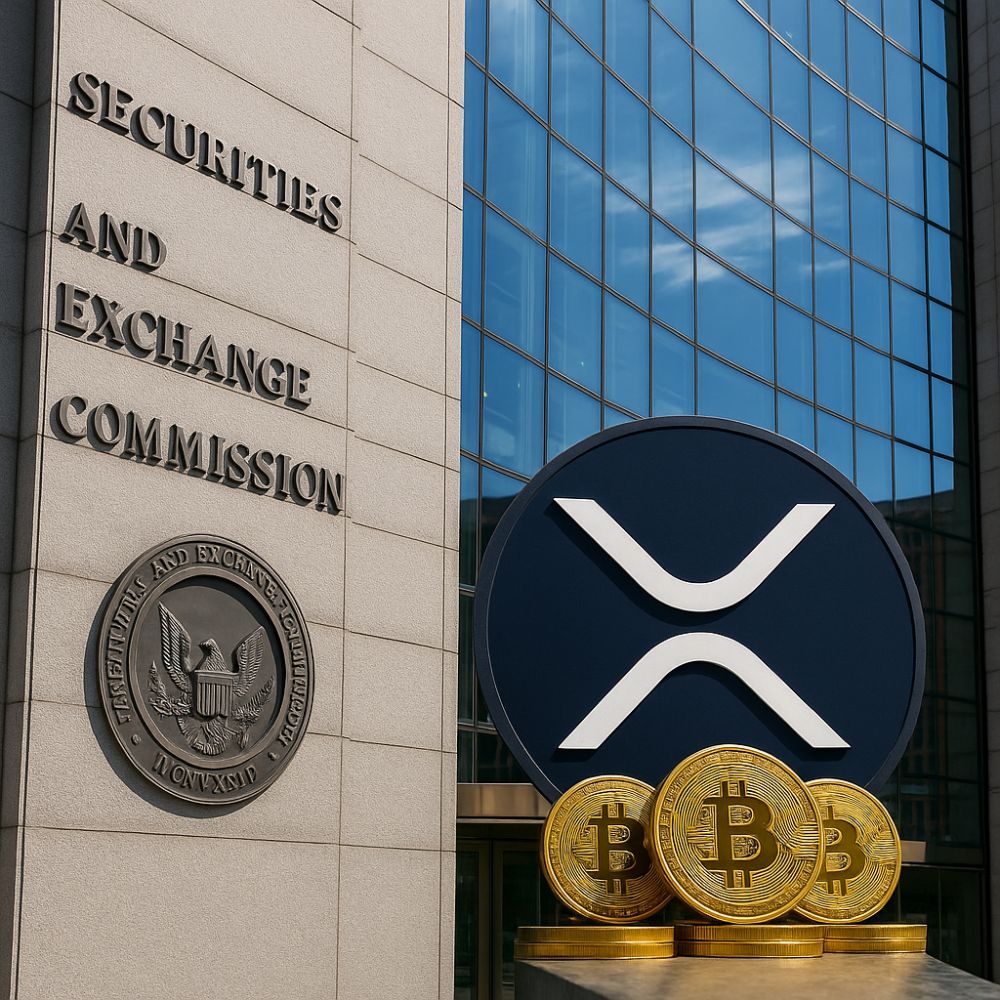
The US Securities and Exchange Commission (SEC) has taken another step that could significantly shape the cryptocurrency market. By issuing new guidance on custodial rules for digital assets, the SEC has provided much-needed clarity for investment advisors, funds, and crypto custodians. This decision not only boosts confidence in the market but also directly impacts major players such as Ripple (XRP), Coinbase, and other institutions entering the custody sector.
SEC Expands Definition of Qualified Custodians
In a recent no-action letter, the SEC clarified that investment advisors are allowed to use state-chartered trust companies as qualified custodians for crypto assets.
Traditionally, under the Investment Advisers Act of 1940, assets had to be held with nationally chartered trust companies, banks, or other federally regulated entities. Until now, many state-regulated trust companies operating in the cryptocurrency industry have faced uncertainty about whether they are recognised as valid custodians.
This change brings much-needed flexibility and signals that crypto custody services are being legitimised at a broader regulatory level.
Brian Daly, Director of the SEC’s Office of Investment Management, emphasised:
“This additional clarity was necessary because state-licensed trust companies were not universally considered appropriate custodians for crypto assets. Advisors may now rely on them if due diligence confirms they are acting in the best interest of investors.”
Why This Matters for Ripple (XRP) and Other Crypto Leaders
The decision expands the playing field for companies already offering custody solutions. Firms like Coinbase, Ripple’s Standard Custody subsidiary, BitGo, and WisdomTree will now be recognised as qualified custodians under the new guidance.
This recognition strengthens Ripple’s position as not only a payments-focused blockchain company but also as a serious institutional player in custody services. With XRP already gaining traction in cross-border payments and liquidity management, additional institutional recognition could further enhance its adoption.
Market Implications of the SEC’s Custody Decision
- Institutional Entry Point – Investment advisors and funds can now confidently use a broader set of custodians for digital assets, encouraging wider institutional adoption.
- Boost to Crypto Custody Sector – Established firms and startups will find it easier to attract clients under the legitimacy of SEC recognition.
- Ripple Effect Across Markets – Ripple’s custody arm gains more legitimacy, supporting the broader use of XRP in regulated financial environments.
- Investor Protection Strengthened – Advisors are expected to perform due diligence, ensuring that chosen custodians meet security and compliance standards.
While the SEC’s statement came in the form of a staff letter rather than a binding regulation, it signals a regulatory trend toward clearer frameworks for digital asset custody. Daly also noted that formal regulations may follow in the future.
What Comes Next?
Although the crypto market did not witness an immediate price spike following the announcement, the long-term implications are highly positive. By reducing uncertainty, the SEC is making it easier for institutions to enter the market.
This decision is also a step toward solving one of the most debated issues in digital finance: how to securely and legally store cryptocurrencies at scale. With custody recognised as a cornerstone of investor trust, this move could accelerate both institutional inflows and mainstream adoption.
Ripple (XRP), Coinbase, BitGo, and similar companies are now positioned at the forefront of this transition. As custody solutions gain regulatory backing, these firms could become the backbone of the next wave of institutional cryptocurrency adoption.
The SEC’s latest decision highlights how the regulatory landscape is evolving in favour of cryptocurrencies. By broadening the definition of qualified custodians to include state-chartered trust companies, the SEC has paved the way for stronger institutional engagement.
For Ripple (XRP) and other leading firms, this development is more than just a regulatory formality. It presents an opportunity to expand services, build investor trust, and integrate more deeply into the global financial system.
The next few months will reveal how quickly investment advisors and funds adapt to this new clarity. But one thing is clear: the groundwork for a more secure, regulated, and institutional-friendly crypto market has been laid.