



























































A Turning Point for Global Investors
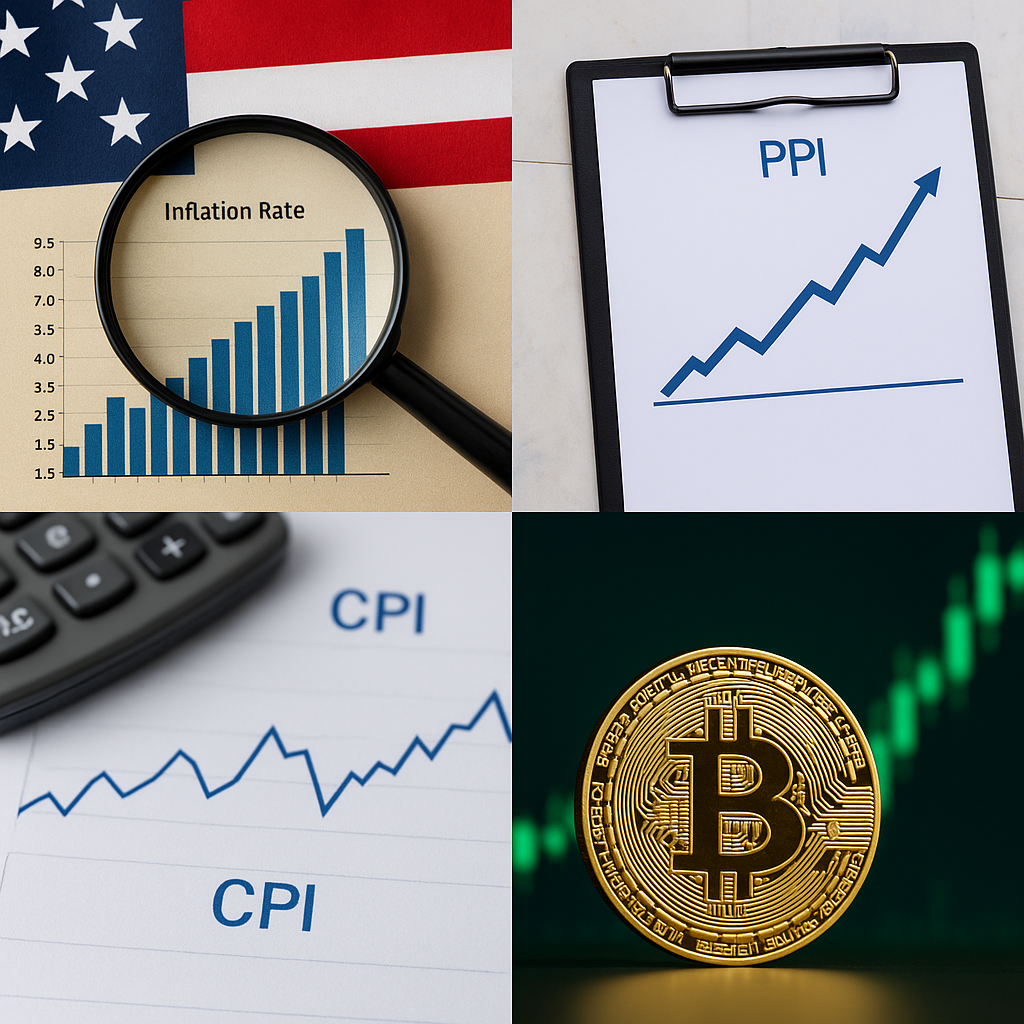
Financial markets are no strangers to surprises, but this week delivered a development that instantly captured the spotlight. Investors around the world have been eagerly awaiting fresh data on inflation, interest rate expectations, and central bank policies. The release of the latest Producer Price Index (PPI) numbers not only reshaped market sentiment but also ignited a wave of renewed appetite for risk assets such as equities and cryptocurrencies.
The significance of this event lies not only in the immediate market reaction but also in the potential long-term consequences it could have on the global economy. The numbers released yesterday came in well below expectations, surprising both economists and traders who had positioned themselves for a different outcome. What followed was a surge in optimism that rippled across sectors, highlighting how sensitive markets remain to inflation indicators and central bank moves.
This article explores the more profound implications of the data, the contrasting outlooks of major institutions, and the way investors are adjusting their strategies. We will also look at how cryptocurrencies, particularly Bitcoin, may benefit from the shifting sentiment and why many analysts believe the current momentum could be sustained in the weeks ahead.
Producer Price Index Surprise: Why It Matters So Much
The PPI release quickly became the week’s central talking point. Forecasts ahead of the data release showed that the majority of surveyed economists expected a significant policy shift. According to a survey of 100 economists, 64 percent anticipated a 50 basis point cut, while 40 percent expected an even steeper 75 basis point annual reduction. Such a strong leaning toward aggressive easing highlights just how concerned experts have been about slowing growth and persistent inflationary pressures.
However, when the numbers came in, they told a different story. The lower-than-expected PPI results immediately sparked enthusiasm. Investors interpreted the softer inflation signal as a sign that aggressive monetary tightening might not be as necessary as once feared. Lower producer prices suggest that cost pressures at the industrial level are easing, which can eventually trickle down to consumers and stabilize price increases.
This development is significant in the context of global trade. Since August, tariffs and policy adjustments have influenced the direction of inflation. The standard 10 percent tariff, introduced in February and expanded in August, created distortions in pricing across many sectors. The latest PPI figures suggest that these impacts may be softening, raising hopes that inflationary spikes caused by global trade tensions are being brought under control.
US Inflation Data: Stability with a Twist
Alongside the PPI, the Consumer Price Index (CPI) provided another crucial snapshot of inflation dynamics. The numbers came in as follows:
- US CPI Reported: 2.9 percent (Expected: 2.9 percent, Previous: 2.7 percent)
- US Core CPI Reported: 3.1 percent (Expected and Previous: 3.1 percent)
The fact that CPI data perfectly matched expectations is seen as a stabilizing factor. It reassures markets that inflation is not spiraling out of control, at least for now. However, digging deeper reveals a slightly more nuanced picture. Every month, core inflation rose by 0.3 percent, while headline inflation increased by 0.4 percent. Both figures exceeded projections by 0.1 percent, a small margin but one that can have meaningful implications for monetary policy debates.
From one perspective, this could be interpreted as a warning sign that inflation remains sticky. Yet, the broader reaction leaned positive because the results showed no dramatic upside shock. For many traders, stability itself was enough to justify increased exposure to riskier assets.
The European Central Bank (ECB) also made headlines during the week by slightly revising inflation forecasts upward. However, it opted not to adjust interest rates, a decision that highlights the delicate balancing act central banks face. On one hand, they must prevent inflation from eroding purchasing power. On the other hand, they must avoid strangling economic growth with overly tight policy.
Market Reaction: Stocks and Bonds Surge, Crypto Joins the Party
The immediate market response was unmistakable. Equity markets surged, bond yields eased, and risk sentiment improved across the board. Investors who had been waiting for clarity on inflation trends suddenly found a reason to act. The belief that the Federal Reserve and other central banks may not need to push rates as high as previously feared created a fertile environment for buying activity.
Cryptocurrencies, often described as the wild card in modern financial markets, responded with particular strength. The crypto sector has been under heavy pressure in recent months due to fears that inflationary pressures and tighter monetary policy would limit speculative appetite. The softer-than-expected PPI data flipped that narrative.
Bitcoin, the largest and most influential cryptocurrency, immediately drew attention. Analysts noted that BTC could soon test levels between 116,000 and 118,000 dollars if the momentum continues. For traders in digital assets, the link between inflation data and crypto prices is straightforward: less inflation pressure means central banks may slow down on aggressive tightening, which keeps liquidity flowing and enhances the appeal of alternative assets.
Why This Data Matters Beyond the Headlines
The enthusiasm sparked by the PPI and CPI reports extends beyond a single week of trading. These numbers play a critical role in shaping monetary policy expectations. Inflation is not just an economic indicator; it is the compass guiding central bank decisions that affect borrowing costs, consumer confidence, and global investment flows.
If inflation remains under control, central banks can ease the pace of interest rate hikes or even consider cuts, which generally boosts equities and alternative assets. On the other hand, if inflation surprises on the upside, central banks are forced into more aggressive tightening cycles that dampen market sentiment.
The ongoing tariff environment adds another layer of complexity. The global economy remains interconnected, and trade policy shifts can have ripple effects on pricing structures. By observing the easing pressure in the PPI, investors are essentially betting that global trade tensions may not trigger the inflation spiral many had feared.
The Crypto Angle: A New Wave of Optimism
Cryptocurrencies occupy a unique position in this discussion. They are not directly tied to traditional economic fundamentals like corporate earnings or government bonds. Instead, they thrive on sentiment, liquidity, and macroeconomic trends. The softer inflation data provided precisely the kind of backdrop that digital assets favor.
Bitcoin’s potential move toward the 116,000 to 118,000 dollar range is not just about numbers on a chart. It symbolizes a renewed belief among crypto investors that digital assets remain a viable hedge against monetary uncertainty. With tariffs seemingly less damaging than feared and inflation appearing to stabilize, the speculative appetite that drives crypto markets has returned.
It is also worth noting that cryptocurrencies often act as a barometer for broader risk-taking behavior. When traders feel confident enough to allocate capital into highly volatile assets like Bitcoin, it usually reflects an underlying optimism that spills over into equities and even commodities.
Looking Ahead: What Investors Should Watch
While the immediate reaction has been overwhelmingly positive, investors must remain cautious. Inflation data can be volatile, and one encouraging report does not guarantee a lasting trend. Central banks are likely to remain vigilant, ready to act if signs of renewed inflation pressures appear.
Key elements to monitor in the coming weeks include:
- Further tariff-related developments and their impact on global trade.
- Subsequent CPI and PPI reports will confirm whether this week’s trend holds.
- Central bank statements and meeting minutes that provide clues on future policy moves.
- Bitcoin and other cryptocurrencies are potential leading indicators of risk appetite.
For now, the markets have chosen to celebrate. Whether this celebration marks the start of a more extended rally or just a reprieve will depend on the data that comes next.
A Market Hungry for Good News
This week’s inflation data and PPI surprise have reminded everyone how hungry financial markets are for good news. A softer-than-expected inflation environment has provided investors with the confidence to return to riskier assets. Equities surged, bond yields eased, and cryptocurrencies regained their shine.
The underlying message is clear: inflation data continues to dictate the tempo of global markets. Every percentage point, every decimal, can shift trillions of dollars in capital. The optimism we have seen in response to the latest reports underscores just how fragile yet responsive investor sentiment remains.
For now, the story is one of renewed appetite and optimism. But as always, the real test lies ahead. Future data releases will determine whether this momentum becomes the foundation for a sustained rally or just another temporary burst of enthusiasm in an uncertain economic landscape.









