





















































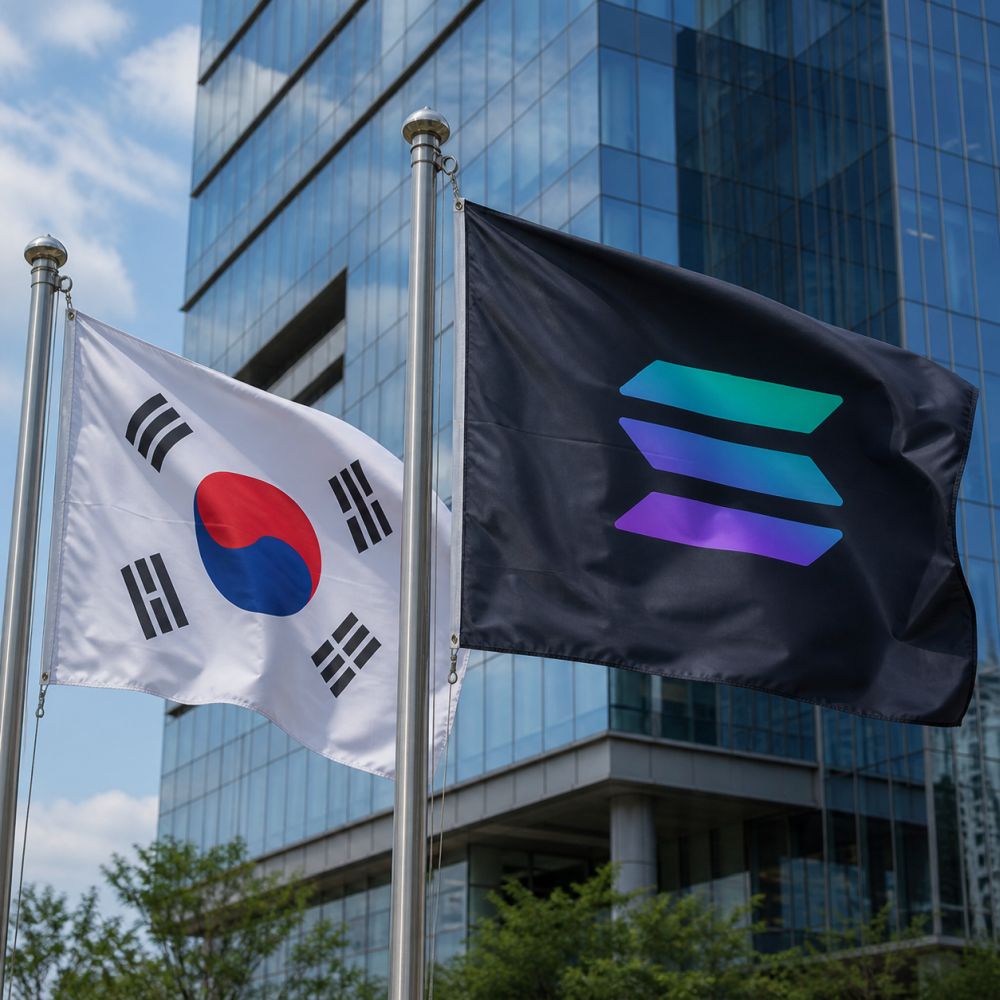
The global landscape of digital finance is witnessing a monumental shift as traditional banking giants begin to merge their established infrastructure with the high-speed capabilities of blockchain technology. In a landmark move for the Asian financial sector, Shinhan Card, South Korea-s leading credit card provider, has officially announced a strategic partnership with the Solana Foundation. This collaboration aims to test and eventually implement stablecoin payment solutions, leveraging the Solana network to provide faster, cheaper, and more secure transactions for millions of users. By integrating one of the world-s fastest blockchains into the heart of South Korea-s retail economy, this initiative marks a significant step toward the mainstream adoption of Web3 technologies in everyday commerce.
South Korea has long been at the forefront of digital innovation, and this latest development underscores the country-s commitment to maintaining its edge in the fintech space. Shinhan Card, which commands a massive share of the local payment market, is looking to move beyond traditional fiat-based transactions to explore the potential of “programmable money.” Through this partnership, the company will conduct extensive proof-of-concept (PoC) trials to determine how stablecoins can be utilized in real-world retail environments. The goal is to create a seamless experience where customers can pay for goods and services using digital assets as easily as they currently use their physical credit cards.
The Technical Foundation of the Solana and Shinhan Partnership
The choice of Solana as the underlying blockchain for this initiative is no coincidence. Known for its high throughput and low transaction costs, Solana provides the scalability necessary to handle the volume of a major national payment processor like Shinhan Card. The collaboration will focus on several key technical pillars, including the development of non-custodial wallets and the integration of decentralized finance (DeFi) protocols into traditional banking systems. By using Solana-s testnet, Shinhan Card can simulate high-volume transaction scenarios to ensure the network can maintain stability and security under the pressure of real-world retail demand.
A critical component of this testing phase is the verification of non-custodial wallet infrastructure. Unlike traditional bank accounts where the institution holds the funds, non-custodial wallets allow users to maintain full control over their digital assets. Shinhan Card is exploring how to implement these wallets in a way that balances user autonomy with the rigorous security standards required by South Korean financial regulators. The company plans to use oracle technology to bridge the gap between off-chain data and on-chain smart contracts, ensuring that every transaction is accurately recorded and settled in real-time without the need for manual intervention.
Bridging TradFi and DeFi Through Hybrid Financial Models
The vision shared by Solana and Shinhan Card goes beyond simple payment processing. They are working to build what they call a “hybrid financial model” that combines the best of traditional finance (TradFi) and decentralized finance (DeFi). This model aims to utilize the transparency and efficiency of blockchain-based smart contracts while maintaining the consumer protections and regulatory compliance associated with established banking institutions. For Shinhan Card, this means developing a DeFi service environment where users can access advanced financial tools, such as automated savings or cross-border remittances, directly through their cardholder platform.
This integration of DeFi elements into a mainstream banking app could fundamentally change how South Koreans interact with their money. By removing intermediaries from certain financial processes, Shinhan Card can reduce overhead costs and pass those savings on to consumers. Furthermore, the use of stablecoins-digital assets pegged to the value of a stable currency like the US Dollar or the Korean Won-minimizes the volatility typically associated with cryptocurrencies like Bitcoin or Ethereum. This makes the system far more practical for daily expenses, from buying a cup of coffee to paying monthly utility bills.
Regulatory Compliance and the Future of Crypto in South Korea
The timing of this partnership is particularly significant given the evolving regulatory climate in South Korea. The nation is currently drafting the “Digital Asset Basic Act,” a comprehensive framework designed to provide clarity and protection for participants in the crypto ecosystem. Shinhan Card has stated that its collaboration with Solana will be conducted in strict adherence to these upcoming regulations. By proactively testing these technologies now, Shinhan Card is positioning itself to be a first-mover once the legal landscape is fully finalized, ensuring a smooth transition into the next generation of digital finance.
The success of this pilot program could serve as a blueprint for other financial institutions across the globe. As major players like Visa and Mastercard also experiment with Solana for stablecoin settlements, the entry of a domestic powerhouse like Shinhan Card reinforces the narrative that blockchain is the future of the payments industry. As the trials progress, the focus will remain on user experience and system reliability, with the ultimate aim of launching a commercial service that brings the benefits of Web3 to 28 million cardholders across South Korea.