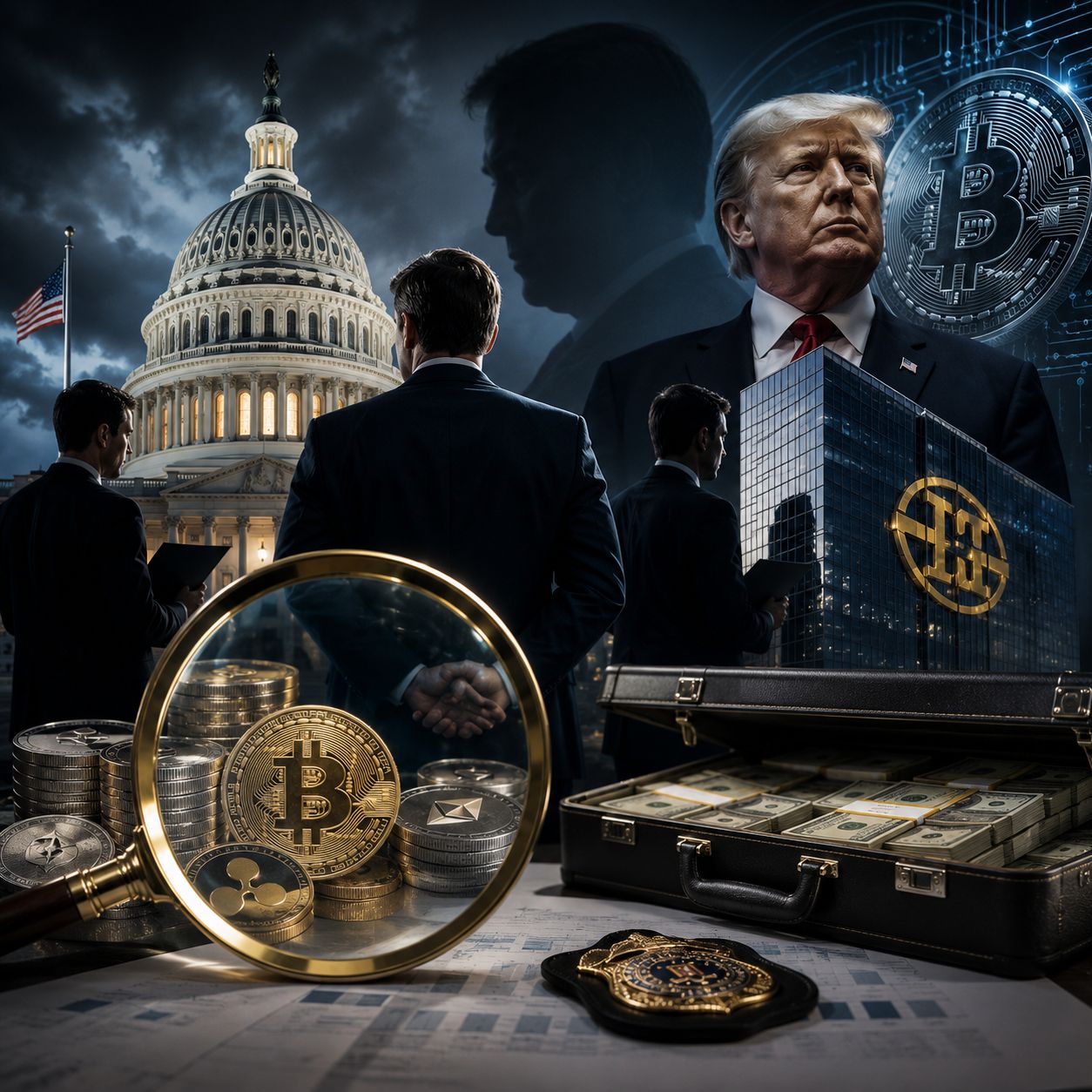



























































The Return of Trump and Rising Tariff Tensions
In 2025, the global financial landscape has once again found itself navigating the turbulent waters of tariff-based economic policies under the second term of President Donald J. Trump. His renewed focus on economic nationalism, domestic manufacturing, and trade deficits—especially with China and the European Union—has reignited fears of a new era of global economic decoupling. For cryptocurrency markets, this creates both an environment of uncertainty and opportunity. Tariffs don’t just affect traditional markets; their ripple effects are deeply felt across emerging asset classes like Bitcoin, Ethereum, and altcoins.
But how exactly are tariffs linked to crypto price movements, trading volumes, and investor sentiment? And what unique role might digital assets play in this climate of fiscal protectionism? This in-depth analysis explores the past impacts of Trump’s tariff strategies, examines the ongoing developments in 2025, and looks ahead at the potential long-term implications for the crypto industry.
The 2018–2020 Trump Tariffs: Early Crypto Lessons
When President Trump launched his aggressive tariff campaign between 2018 and 2020—targeting China with over $350 billion in tariffs—it sent shockwaves through global equity markets. Yet, interestingly, the crypto market began to behave in a way that piqued investor interest: digital assets started decoupling from traditional stocks.
During this first wave of tariffs, Bitcoin’s value surged from under $6,000 in early 2019 to nearly $12,000 by mid-2020. Analysts debated whether this was due to correlation or coincidence, but a growing body of data suggested that capital flight from unstable fiat markets—particularly in Asia—was being redirected into crypto. As the Chinese yuan weakened under trade pressure, crypto trading volume spiked on Asian exchanges. Bitcoin, with its limited supply and decentralized structure, became a sort of “digital hedge” against fiat volatility and political risk.
This was a key inflection point. For the first time, cryptocurrencies began to be viewed as not just speculative assets, but potentially strategic hedges against macroeconomic policies like tariffs and sanctions. The lessons learned during Trump’s first term would lay the groundwork for investor behavior in 2025.
Trump’s 2025 Tariff Plan: Economic Nationalism Reloaded
Fast forward to 2025: President Trump has returned to office with a bold economic agenda. At the heart of it is a sweeping new tariff structure. These include:
- A 10% universal tariff on all imports
- A 60% tariff on Chinese goods
- Tariff threats against German automotive imports and French tech services
- Penalties on nations with currency manipulation practices
This renewed trade war has already begun reshaping global supply chains, pressuring the U.S. dollar, and straining relations with China and the EU. Inflation concerns are back on the table. In response, the crypto market has reacted strongly. Within the first quarter of 2025, Bitcoin surged 18%, Ethereum 25%, and stablecoin issuance jumped to all-time highs as investors sought to escape fiat instability and geopolitical risks.
In addition, mining companies have begun relocating from potentially hostile regulatory regions like China to North America, causing further decentralization in blockchain infrastructure. Simultaneously, U.S. companies exposed to foreign supply chains are hedging against potential currency fluctuations by reallocating treasury reserves into digital assets—a trend accelerated by MicroStrategy-like corporate strategies.
Tariffs, Inflation, and the Crypto Correlation
Tariffs are essentially a tax on imported goods. When applied aggressively, they tend to raise the cost of consumer products, contribute to inflation, and distort free market dynamics. Historically, inflation has been both a challenge and an opportunity for the crypto space.
In 2025, the renewed Trump tariffs are expected to add 1.2% – 1.8% to the core inflation rate in the U.S. alone. While the Federal Reserve attempts to stabilize rates, markets anticipate prolonged price volatility. This is exactly the kind of environment in which crypto assets—especially Bitcoin—thrive.
Investors are already drawing parallels to 2021–2022 when inflation exceeded 7%, and Bitcoin climbed to its all-time high. This time, however, the situation is more complex: crypto markets are now more mature, institutional participation is deeper, and products like Bitcoin ETFs and tokenized T-bills have become common investment tools. This maturity allows the crypto market to better absorb macro shocks while maintaining upward momentum during periods of fiat instability.
Stablecoins like USDC and USDT have also seen a resurgence, especially in emerging markets that are now facing currency devaluation due to global tariff-induced supply chain disruption. In places like Argentina, Nigeria, and Turkey, stablecoins are acting as informal “shadow dollars”—a trend that the World Bank is now actively studying.
Global Reactions and the Role of Digital Assets
Trump’s tariff agenda is not occurring in a vacuum. Global markets are responding—often with retaliatory tariffs or new policies favoring digital alternatives. The BRICS nations (Brazil, Russia, India, China, and South Africa), for example, have accelerated their plans to reduce dependency on the U.S. dollar. China’s digital yuan (e-CNY) has seen wider adoption in Southeast Asia, and Russia has pushed forward with its central bank digital currency (CBDC) rollout.
In this geopolitical chess game, decentralized assets like Bitcoin offer a neutral playing field. Unlike CBDCs, which are controlled by central authorities, Bitcoin and Ethereum remain free from government interference. As global governments weaponize trade, capital, and currency, crypto becomes the last sanctuary for financial sovereignty.
More institutional players—including sovereign wealth funds—are now diversifying into crypto to mitigate exposure to dollar volatility and tariffs. As of March 2025, reports suggest that over 30% of Asian institutional investors have exposure to Bitcoin, up from 12% in 2023.
The Rise of Crypto Hedging Strategies
With tariffs becoming an economic weapon once more, companies and investors are rethinking how they manage geopolitical risk. Cryptocurrency is emerging not just as a speculative play but as a tactical hedging strategy.
Large importers and exporters are now exploring smart contract-based hedging tools that allow them to lock in exchange rates and avoid fiat volatility. These DeFi-based hedges are more transparent and cost-effective than traditional forex instruments. In the case of tariff escalation, such tools could offer real-time protection against sudden surges in pricing or FX losses.
Meanwhile, U.S. companies affected by supply chain disruptions are using tokenized commodities—like tokenized gold, oil, and shipping futures—as tools to hedge against physical goods shortages. This emerging sub-sector, often referred to as “CommodityFi,” is creating new pathways for decentralized, global trade even in a high-tariff world.
Trump’s Tariffs and the Politicalization of Crypto
Trump’s policies are also inadvertently politicizing the crypto sector. On one hand, Republican lawmakers are increasingly embracing blockchain innovation as part of the “America First” doctrine, calling for the repatriation of crypto mining, friendly regulation for U.S.-based exchanges, and the use of Bitcoin in international settlements.
On the other hand, Democrats are raising alarms over capital flight, tax evasion, and energy usage. The result is a sharply divided regulatory environment, where states like Texas and Wyoming lead the charge in pro-crypto laws, while California and New York push for strict oversight.
Trump’s re-election and tariff policies may be accelerating crypto’s mainstream acceptance – but they’re also increasing the risk of federal regulatory gridlock, potentially hindering innovation and investment at the national level.
Crypto as the Anti-Tariff Trade
While tariffs are typically viewed as tools for protecting national industries, they come with major economic side effects: inflation, supply chain disruption, currency instability, and capital market volatility. In this high-risk environment, cryptocurrency is increasingly seen as a “digital gold”—a decentralized hedge that operates outside the constraints of political interference.
President Trump’s 2025 tariff strategy may reshape global trade, but it’s also reshaping the crypto market in profound ways. From increased institutional adoption to sovereign digital alternatives and decentralized commodity hedging, crypto is not just surviving under tariff pressure—it’s thriving.
As we move further into this new era of fiscal protectionism, the crypto market will likely continue to mature as both a strategic asset class and a necessary tool for economic resilience.