






















































The Current State of Bitcoin Demand
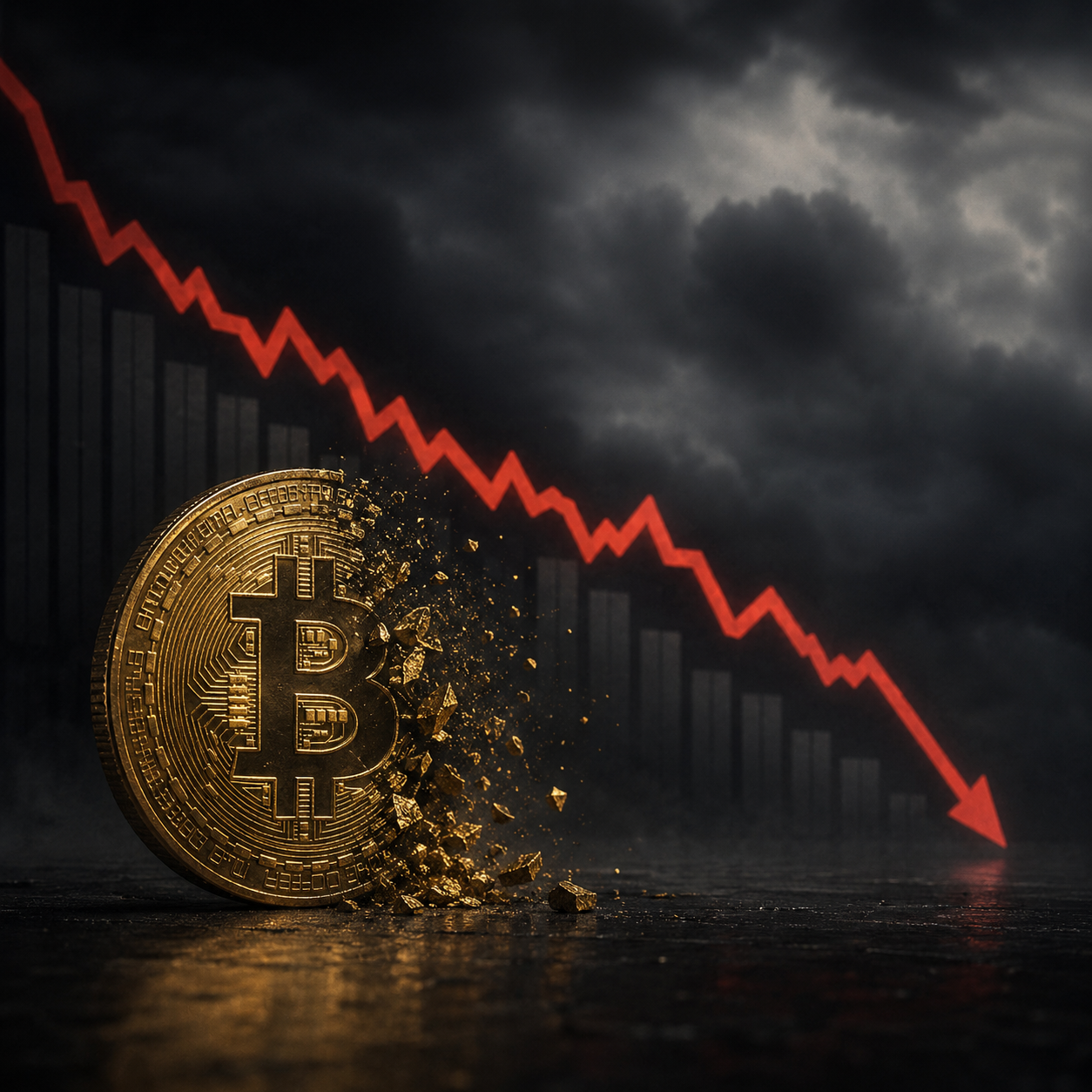
The cryptocurrency market is currently facing a significant period of transition that has caught many investors by surprise. After a period of intense institutional interest and the historic launch of spot Bitcoin exchange-traded funds, the momentum appears to have stalled. Recent data indicates that Bitcoin demand has hit a bearish low, a metric that historically signals a cooling-off period for the worlds largest digital asset. This decline in demand is not just a simple dip in price but a fundamental shift in how market participants are interacting with the blockchain. When we talk about demand hitting a bearish low, we are looking at a combination of on-chain activity, exchange inflows, and the cooling of retail interest. Understanding why this is happening requires a deep dive into the macroeconomic environment and the internal mechanics of the Bitcoin network itself.
The Mechanics of the Bearish Demand Low
To understand why demand has reached such a low point, we must look at the specific indicators that analysts use to track Bitcoin health. One of the primary metrics is the apparent demand growth, which measures the difference between the daily block subsidy and the change in the amount of Bitcoin held by long-term investors. Currently, this growth has turned negative or flat, suggesting that the “new money” entering the space is not sufficient to offset the selling pressure from older participants. Furthermore, the volume of transactions on the Bitcoin network has seen a noticeable decline. While the network remains secure and functional, the sheer velocity of capital moving through it has slowed. This lack of movement often precedes a period of consolidation where the market decides its next major direction. For many traders, this bearish low is a sign of exhaustion, where the initial hype of the year has finally met the reality of a cautious global economy.
Impact of Institutional Cooling and ETF Flows
A few months ago, the narrative was dominated by the success of Bitcoin ETFs. These financial instruments brought billions of dollars into the ecosystem, driving prices toward new all-time highs. However, the initial “gold rush” phase of these ETFs appears to have concluded. We are now seeing days of neutral or even negative flows from these funds. This institutional cooling is a major contributor to the bearish low in demand. When large-scale buyers stop their aggressive accumulation, the market loses its strongest pillar of support. This does not necessarily mean that institutions are abandoning Bitcoin, but rather that they are moving into a “wait and watch” phase. They are waiting for clearer signals regarding interest rate cuts from the Federal Reserve and a more stable political environment. Without the constant buy-side pressure from these massive funds, the price of Bitcoin becomes more susceptible to the whims of short-term speculators.
Macroeconomic Pressures and Investor Sentiment
Bitcoin does not exist in a vacuum. It is heavily influenced by the broader financial world. Currently, high-interest rates in the United States and other major economies have made “risk-on” assets like cryptocurrencies less attractive. When investors can get a guaranteed five percent return on government bonds, the incentive to gamble on the volatility of Bitcoin decreases. This has led to a general withdrawal of liquidity from the crypto markets. Furthermore, the global economic outlook remains uncertain, with fears of recession lingering in many sectors. In such an environment, retail investors tend to hold onto their cash rather than buying the dip. This psychological shift is a key driver of the current bearish demand. People are prioritized safety over potential gains, leading to the quiet market conditions we see today. The lack of a “new narrative” or a “killer app” in the crypto space has also contributed to a sense of boredom among retail participants, who are often the lifeblood of price surges.
Technical Analysis of the Demand Drop
From a technical perspective, the drop in demand is visible on almost every chart. The Relative Strength Index for Bitcoin on higher timeframes has moved into neutral or oversold territory, yet buyers are slow to react. We are seeing a series of lower highs and lower lows on the shorter timeframes, which reinforces the bearish sentiment. Support levels that once seemed unbreakable are being tested repeatedly. When demand hits a bearish low, it often means that the “order books” are thin. This thinness allows even small sell orders to have a disproportionate impact on the price, leading to the “flash crashes” or sudden drops that have characterized recent weeks. Analysts are watching the 200-day moving average closely, as a sustained stay below this level would confirm that we have moved from a simple correction into a more prolonged bearish phase. However, it is important to remember that demand lows often coincide with market bottoms, providing a contrarian signal for those with a long-term horizon.
The Role of Long-Term Holders and Miners
One of the few silver linings in the current market is the behavior of “diamond hands” or long-term holders. Despite the bearish low in demand, these investors are not selling in large quantities. Instead, they are moving their coins off exchanges and into cold storage. This creates a “supply shock” that could lead to a massive price spike once demand eventually returns. On the other hand, Bitcoin miners are facing a difficult environment. Following the recent halving event, the cost of producing one Bitcoin has increased significantly. With demand at a low and prices stagnant, many miners are being forced to sell their holdings to cover operational costs. This “miner capitulation” is a classic late-stage bearish signal. Once the weakest miners are flushed out and the selling pressure from this sector subsides, the market is usually ready for a recovery.
The Psychological Cycle of the Crypto Market
Every bull market in Bitcoin history has been followed by a period of disillusionment. We are currently in the “apathy” phase of the market cycle. During this phase, news that would normally drive the price up is ignored, and negative news is magnified. This is exactly what happens when demand hits a bearish low. The excitement of the previous months has faded, and the “weak hands” have already exited the market. Those who remain are left wondering when the next spark will come. History shows that these periods of low demand are necessary for the market to reset. They wash out excess leverage and speculative bubbles, leaving a cleaner foundation for the next leg up. For the patient investor, the current lack of demand is not a reason to panic but a sign that the market is maturing and preparing for its next phase of growth.
Future Outlook and Recovery Signals
What will it take for Bitcoin demand to move away from these bearish lows? First, we need a shift in macroeconomic policy. If the Federal Reserve begins to cut interest rates, liquidity will flow back into risk assets. Second, we need a renewal of retail interest. This often comes from a technological breakthrough or a new use case that captures the public imagination. Third, we need to see the stabilization of ETF flows. Once institutional investors feel that the bottom is in, they will likely resume their accumulation strategies. We are also looking toward the fourth quarter of the year, which has historically been a strong period for Bitcoin performance. While the current outlook seems bleak, the underlying fundamentals of the Bitcoin network remain as strong as ever. Hash rate is at all-time highs, and the Lightning Network continues to grow. The demand may be low today, but the long-term value proposition of Bitcoin as digital gold remains unchanged.
The fact that Bitcoin demand has hit a bearish low is a reflection of a complex set of factors ranging from institutional exhaustion to macroeconomic uncertainty. While it is a difficult period for short-term traders, it is a standard part of the Bitcoin market cycle. By understanding the reasons behind this slowdown, investors can better position themselves for the eventual return of volatility and upward momentum. The market is currently in a state of hibernation, but as history has shown, the most significant gains are often made by those who have the patience to wait out the quiet periods.