




















































The Urgent Advocacy Fight for Traditional Banking Deposits and Financial Stability
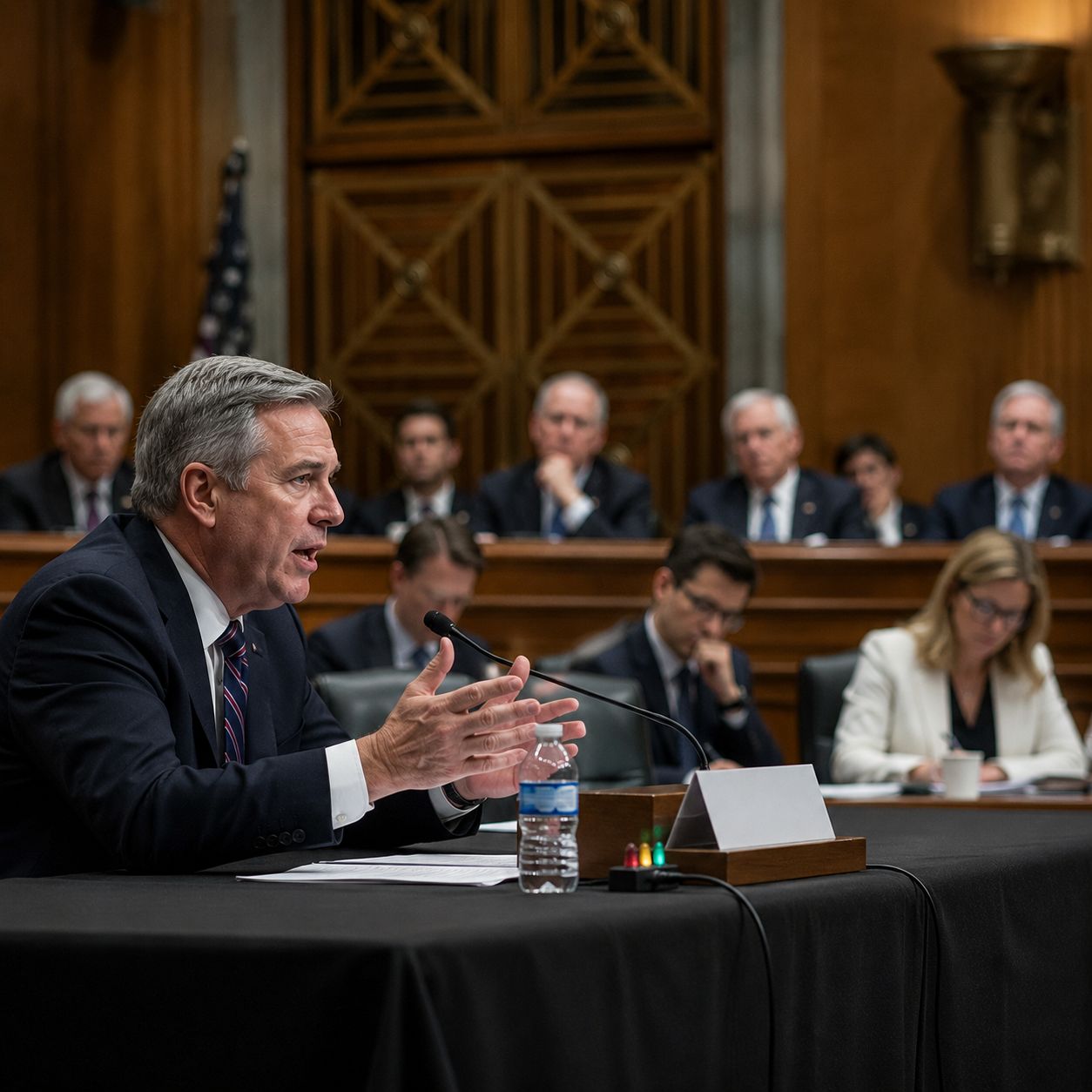
The landscape of American finance is currently facing a high-stakes confrontation as traditional banking institutions square off against the burgeoning cryptocurrency sector. Rob Nichols, the President and CEO of the American Bankers Association (ABA), has launched a critical, last-hour campaign to influence the upcoming Senate Banking Committee vote. In an urgent letter sent to bank executives across the country on Sunday night, May 10, 2026, Nichols described the situation as an urgent advocacy fight that requires immediate engagement. The core of the dispute centers on the CLARITY Act, a sweeping piece of crypto market structure legislation that is scheduled for a markup hearing this Thursday, May 14. At the heart of the banking industry-s concern is the treatment of stablecoin rewards, which bankers argue could trigger a massive flight of deposits from traditional bank accounts into digital assets, potentially destabilizing the broader economy.
Understanding the Battle Over Interest-Like Rewards and Stablecoin Yields
For months, lawmakers and industry stakeholders have been locked in a debate over whether stablecoin issuers should be allowed to offer financial incentives to users. The latest version of the bill, which was negotiated as a compromise by Senators Angela Alsobrooks and Thom Tillis, attempts to strike a middle ground by banning direct interest payments on stablecoin balances while allowing for activity-based or transaction-based rewards. However, the American Bankers Association and other major trade groups, including the Bank Policy Institute and the Independent Community Bankers of America, argue that these exceptions are far too broad. Nichols warned in his letter that crypto companies could easily disguise interest-like returns as rewards, creating a loophole that would incentivize consumers to move their savings out of regulated banks. This tension reflects a fundamental struggle between the innovation of decentralized finance and the established protocols of the legacy banking system.
The Potential Impact on Community Banks and National Economic Growth
The banking lobby-s primary argument is that a significant shift in deposits could have a devastating effect on the availability of credit, particularly for small businesses and local communities. Traditional banks rely on stable deposits to fund the loans that drive economic activity, from mortgages to commercial expansion. If payment stablecoins are permitted to offer rewards that effectively mirror bank interest without being subject to the same rigorous capital requirements and federal insurance mandates, the banking industry fears it will be unable to compete on a level playing field. Nichols emphasized that without tightened limits on these rewards, the current proposal puts both economic growth and financial stability at risk. As the Senate Banking Committee prepares for its executive session, the pressure is mounting on lawmakers to decide whether to favor the efficiency of new digital payment rails or the historical stability of the fractional-reserve banking model.
Legislative Hurdles and the Future of the CLARITY Act in 2026
As the Thursday markup approaches, the fate of the CLARITY Act remains uncertain. While major crypto entities like Coinbase have signaled their support for the current compromise language, the unified opposition from the banking sector represents a formidable political barrier. This legislation seeks to provide the first comprehensive federal regulatory structure for digital assets, clarifying the jurisdictional lines between the Securities and Exchange Commission and the Commodity Futures Trading Commission. However, the dispute over stablecoin yields has become the ultimate sticking point that could delay the bill-s progress or even derail it entirely before the upcoming Memorial Day recess. The outcome of this week-s committee vote will serve as a definitive signal to the global market about how the United States intends to balance the risks and rewards of the rapidly evolving digital asset economy.









