























































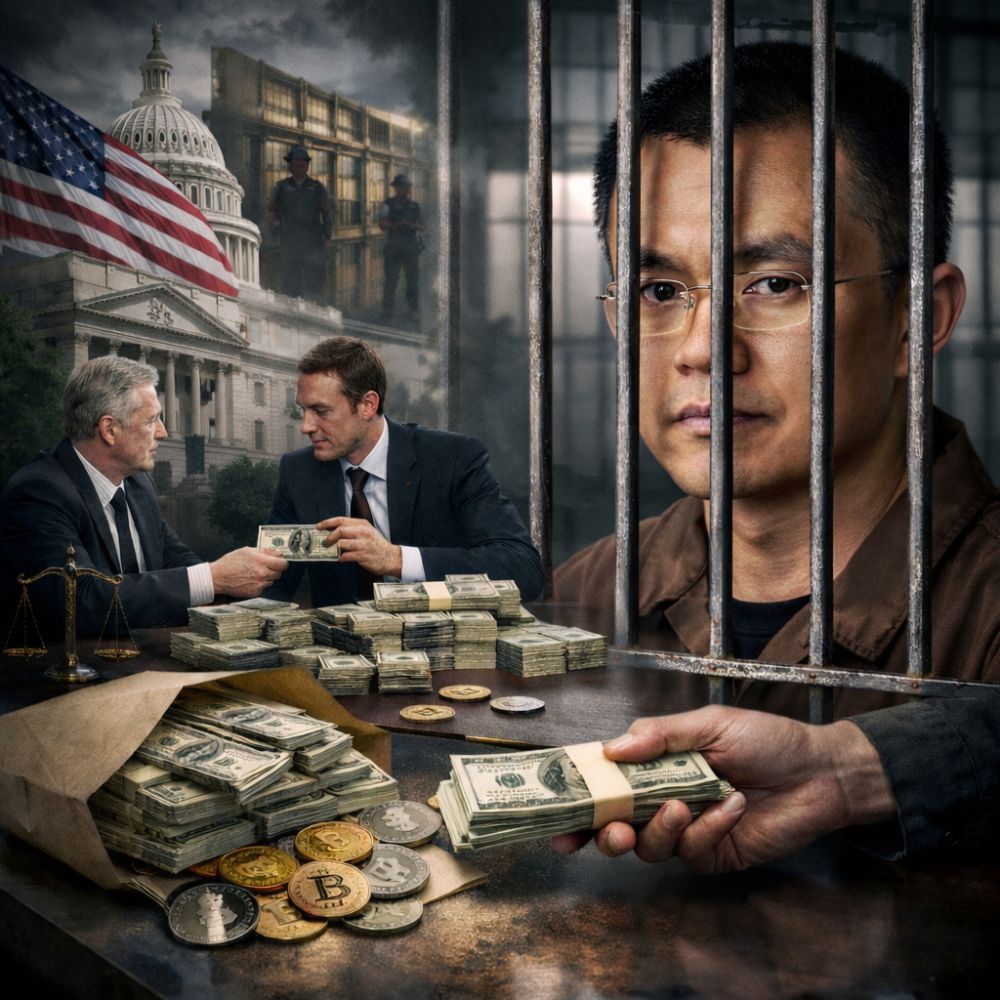
The cryptocurrency world is buzzing with fresh controversy as Changpeng Zhao, the legendary founder of Binance better than known as CZ, has come forward with explosive allegations. According to recent reports, Zhao claims that his primary competitors in the United States crypto market spent millions of dollars in a coordinated effort to block his recent presidential pardon. This revelation adds a new layer of drama to the already complex relationship between global crypto exchanges and the U.S. regulatory landscape. Zhao suggests that these rivals funded extensive “smear articles” and high-stakes lobbying campaigns specifically designed to keep him under the thumb of the legal system and prevent Binance from reclaiming its dominant position in the American market.
For those who have followed the saga, Zhao’s legal troubles were a defining moment for the industry. In late 2023, Binance pleaded guilty to violating anti-money laundering rules and paid a record-breaking 4.3 billion fine. Zhao himself stepped down as CEO and served a four-month prison sentence. However, the narrative shifted dramatically when President Donald Trump granted Zhao a full pardon in October 2025. While the pardon was celebrated by many as the end of the “war on crypto,” Zhao now asserts that the path to this clemency was littered with obstacles intentionally placed by domestic competitors who feared the return of the world’s largest exchange.
The Hidden War Within the Crypto Industry and Allegations of Pay-to-Block Tactics
The core of Zhao’s claim rests on the idea of corporate sabotage disguised as advocacy. He alleges that certain U.S. based firms, which he has not yet named directly, viewed his potential pardon as a direct threat to their market share. By funding negative press and engaging in aggressive lobbying, these rivals allegedly sought to influence public opinion and political decision-makers. The goal was simple: ensure that the founder of their biggest competitor remained a convicted felon, thereby making it nearly impossible for Binance to operate legally and competitively within the United States.
Industry insiders suggest that this “behind-the-scenes” warfare is more common than the public realizes. The competition for the U.S. crypto market is fierce, and the stakes are worth billions of dollars. If Binance were to re-enter the market with its full suite of services, domestic exchanges like Coinbase or Kraken could face significant pressure. Zhao’s allegations imply that instead of competing on technology or service quality, some of these entities chose to weaponize the legal and political systems to maintain their advantage. This “pay-to-block” strategy, if proven true, highlights a dark side of the industry’s evolution.
Analyzing the Impact of the Presidential Pardon on Binance and the Global Market
The pardon granted by President Trump in October 2025 was more than just a legal reprieve for an individual; it was a symbolic victory for a specific vision of the crypto industry. The White House at the time stated that the move was necessary to end the “disproportionate” targeting of crypto innovators. For Binance, the pardon removes a massive cloud of uncertainty. While the company still operates under strict monitorship as part of its earlier settlement, the clearing of Zhao’s personal record allows him to potentially re-engage with the sector in a more public and strategic capacity.
However, the ripple effects extend far beyond Zhao’s personal status. The pardon has reignited debates about “pay-to-play” politics, especially given the business ties between Binance-related entities and the Trump family’s own crypto ventures, such as World Liberty Financial. Critics, including several prominent U.S. Senators, have labeled the pardon as an act of corruption. Conversely, supporters argue that the original prosecution was politically motivated and that the pardon merely corrected a gross overreach by the previous administration. Regardless of the perspective, Zhao’s latest claims about rival interference ensure that the controversy will not die down anytime soon.
Future Outlook: Can Binance Successfully Reclaim the U.S. Crypto Frontier?
With the legal barriers of a criminal conviction now removed from its founder, the big question is whether Binance can actually win back the trust of U.S. regulators and consumers. The exchange has been largely sidelined in the United States since its 2023 settlement, losing significant ground to domestic rivals. Zhao’s claims of a million-dollar smear campaign suggest that he is ready to go on the offensive, not just in business, but in the court of public opinion. By framing his rivals as “saboteurs,” he is attempting to flip the narrative from “convicted founder” to “persecuted innovator.”
The path ahead remains difficult. Even with a pardon, Binance must navigate a complex web of compliance requirements and oversight. Furthermore, the U.S. crypto landscape is becoming increasingly crowded with institutional players and traditional finance giants entering the space. If Zhao’s allegations lead to a formal investigation or a more public falling out between the major exchanges, we could see a total realignment of the industry. For now, the “war on crypto” might be over in name, but the internal battle for dominance is clearly just beginning.









