
























































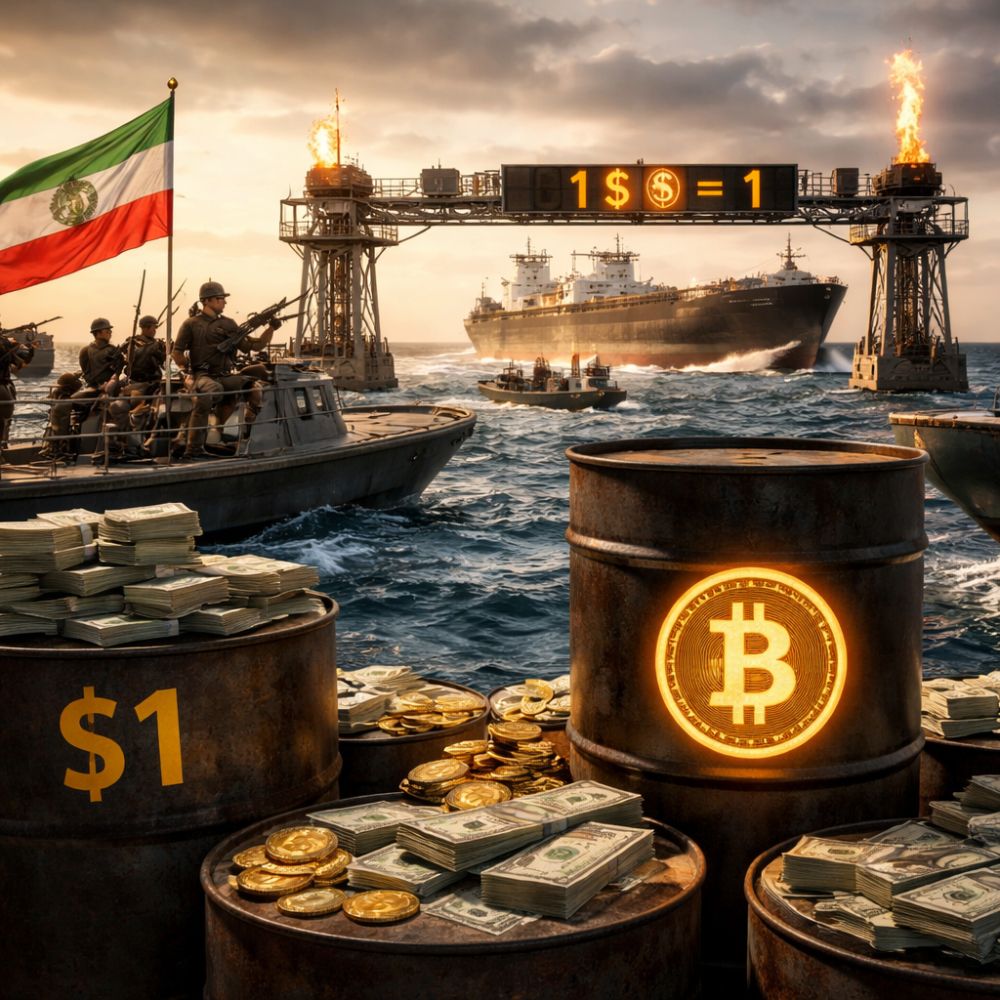
The geopolitical landscape of global energy trade is witnessing an unprecedented shift as Iran moves to monetize its control over one of the world-most critical maritime chokepoints. Recent reports indicate that Tehran is planning to implement a mandatory transit fee for oil tankers passing through the Strait of Hormuz. In a move that blends traditional power politics with modern financial technology, the Iranian government has proposed a toll of 1 dollar per barrel of oil, with a striking requirement- all payments must be made in cryptocurrency, specifically Bitcoin. This development comes during a fragile two-week ceasefire and has sent ripples through international markets, as it marks the first time a major nation has attempted to turn a vital international shipping lane into a digital currency-based tollbooth.
The mechanism for this new system is as rigorous as it is controversial. According to representatives from Iran-Oil, Gas and Petrochemical Products Exporters Union, tankers are now expected to provide detailed cargo manifests via email to Iranian authorities before they are granted passage. Once the cargo is verified, the toll is calculated based on the number of barrels on board. The most startling aspect of the process is the payment window- vessels are reportedly given only a matter of seconds to complete the Bitcoin transaction. This lightning-fast payment requirement is designed to ensure that funds cannot be easily traced, frozen, or confiscated by international regulatory bodies or as part of existing sanctions frameworks. By utilizing the decentralized nature of Bitcoin, Tehran aims to create a revenue stream that exists entirely outside the traditional Western-dominated financial system.
Impact on Global Energy Security and Oil Prices
The Strait of Hormuz is the lifeline of the global oil industry, with nearly twenty percent of the world-total petroleum consumption passing through its narrow waters every day. Any disruption or added cost to this route has immediate and profound effects on global energy prices. The introduction of a 1 dollar per barrel fee might seem small in isolation, but when applied to the millions of barrels transiting daily, the economic scale is massive. Experts estimate that if this toll remains permanent, it could generate between 70 billion and 80 billion dollars annually for Iran. This figure is staggering, as it would effectively double Iran-pre-war oil revenue, providing the nation with a powerful financial cushion that is largely immune to traditional economic sanctions.
For shipping companies and global consumers, this toll represents an additional layer of complexity and cost. The logistical challenge of maintaining large Bitcoin reserves to pay for transit, combined with the volatility of the cryptocurrency market itself, adds significant risk to maritime operations. Furthermore, the mandatory nature of these payments under the threat of military action- with radio broadcasts reportedly warning that unauthorized vessels will be destroyed- has created a high-stakes environment. Currently, hundreds of vessels are waiting in the Gulf in what has been described as a massive sea-based car park, as companies weigh the risks of compliance against the dangers of attempted passage.
The Bitcoin Strategy- Sanction Evasion and Financial Sovereignty
Iran-decision to demand Bitcoin is a calculated strategic move aimed at bypassing the global financial infrastructure. For decades, the US dollar has been the primary currency for oil trade, a system often referred to as the petrodollar. By forcing oil transit fees into the realm of cryptocurrency, Iran is directly challenging the dominance of the dollar and the effectiveness of the SWIFT banking network. Bitcoin provides a level of pseudonymity and censorship resistance that traditional fiat currencies cannot offer. For a nation under heavy economic pressure, this digital tollbooth represents a path toward financial sovereignty, allowing Tehran to collect billions in value without needing the permission or cooperation of international banks.
This move also highlights the evolving role of digital assets in modern warfare and diplomacy. While Bitcoin was originally envisioned as a tool for individual financial empowerment, it is increasingly being used by nation-states to navigate geopolitical restrictions. The speed of the requested transactions- requiring payment in seconds- further illustrates the technical sophistication Iran is bringing to the table. By the time a regulatory body could even identify a transaction, the funds are already secured in Iranian-controlled wallets. This creates a significant headache for global regulators who are struggling to update maritime and financial laws to keep pace with these digital-age tactics.
Diplomatic Tensions and the Future of the Strait
The international response to Iran-crypto toll has been one of deep concern and diplomatic maneuvering. US President Donald Trump has linked the stability of the current ceasefire directly to the complete and safe reopening of the Strait of Hormuz. Interestingly, there have been reports of potential joint venture discussions between the US and Iran to secure the waterway, suggesting that a shared toll system might be on the negotiating table as a way to stabilize the region. However, neighboring Gulf nations like Saudi Arabia and the UAE view any Iranian control over the strait as a red line, fearing that it gives Tehran too much leverage over their own sovereign exports.
As the two-week ceasefire period progresses, the world watches closely to see if this Bitcoin tollbooth becomes a permanent fixture of global trade. If successful, it could set a precedent for other nations to monetize geographic chokepoints using digital assets. For now, the Strait of Hormuz remains the ultimate flashpoint where energy security, military might, and the future of finance intersect. The coming weeks will determine whether the world moves toward a new protocol of regulated passage or if this digital tax becomes the spark for further escalation in an already volatile region.