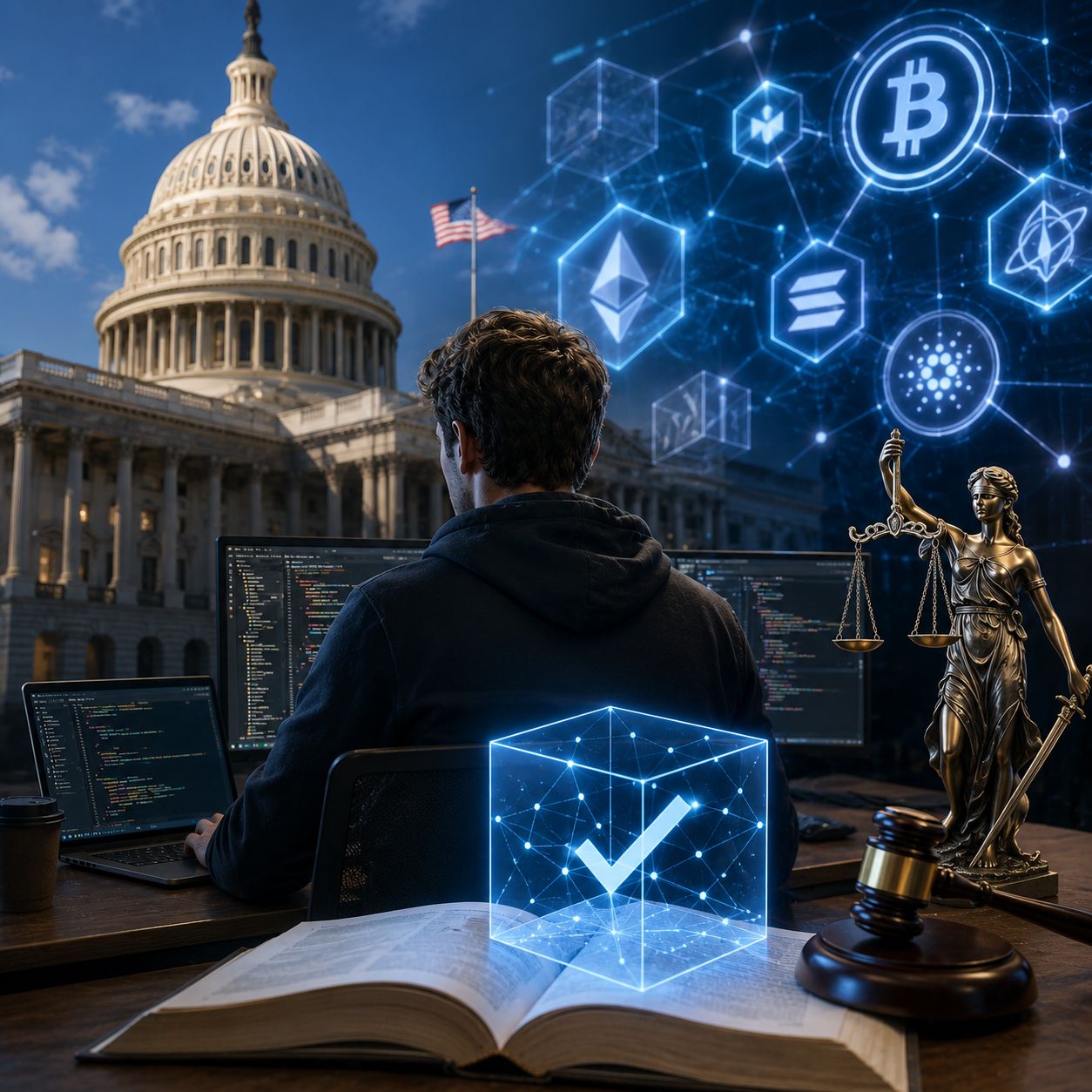



























































Federal Reserve and U.S. Regulators Reverse Previous Crypto Guidance
In a major development this morning, U.S. banking regulators announced a rollback of certain cryptocurrency-related guidelines. The Federal Reserve stated that it was officially withdrawing supervisory letters previously requiring banks to seek prior approval before engaging in activities involving crypto assets and stablecoins. Alongside the Fed, the Federal Deposit Insurance Corporation (FDIC) and the Office of the Comptroller of the Currency (OCC) also reversed statements from 2023 that had strongly urged banks to exercise extreme caution when dealing with cryptocurrency-related risks.
This shift marks a significant change in the government’s approach toward cryptocurrency regulation. In their statement, the Fed emphasized that they are now assessing whether fresh guidance could be issued to support crypto asset innovation responsibly. This reconsideration aligns closely with recent political promises, particularly those made during the 2024 presidential campaign. Former President Donald Trump, seeking re-election, had assured crypto investors that he would advocate for their interests if given a second term. This regulatory pivot now seems to echo those earlier campaign commitments.
How the Fed’s Move Could Impact the Banking Sector’s Relationship with Crypto
The original guidance from regulators, particularly the supervisory letters and public statements, had cast a long shadow over the banking industry’s involvement with cryptocurrencies. Many financial institutions became hesitant, if not outright fearful, about engaging meaningfully in crypto-related services. Banks were concerned about the intense regulatory scrutiny and the possibility of facing penalties or backlash for offering crypto products.
Now, with regulators stepping back, the message to banks is far more neutral—essentially a “proceed at your own discretion” attitude. However, some questions remain. Since these rollbacks are coming from regulatory agencies like the Federal Reserve, rather than directly from an executive order, the hope is that they will have greater stability even if political leadership changes again in four years. Still, the broader politicization of crypto regulation leaves room for uncertainty. Future administrations could once again alter the regulatory landscape, creating challenges for long-term planning within the banking sector.
Nevertheless, the fact that these changes stem from the Fed rather than solely from the White House suggests a potential for more durable reform. It reflects an understanding that innovation in financial services, especially concerning digital assets, requires a regulatory framework that is both flexible and supportive.
Political Promises, Policy Shifts, and the Risk of Regulatory Whiplash
It’s important to note that this policy reversal didn’t emerge in a vacuum. During his campaign, Donald Trump made clear promises to crypto investors that he would work to protect and promote the industry. These actions can thus be interpreted, at least in part, as a fulfillment of those political commitments.
However, businesses remain wary. The crypto and banking sectors have suffered before from rapid policy shifts between administrations, leading to a feeling of regulatory “whiplash.” Institutions crave consistency and clarity in the regulatory environment, and without it, they hesitate to invest significant resources into new ventures such as crypto integration.
Does this mean you’ll soon be able to buy Bitcoin directly from your local Chase Bank branch? Probably not – at least not immediately. But the tone is undeniably different from the skepticism that dominated regulatory discussions just a few years ago. The pullback from cautionary guidelines might not directly revolutionize crypto banking overnight, but it lays crucial groundwork for broader acceptance and innovation moving forward.
If clearer, more supportive regulation emerges, it could embolden banks to offer cryptocurrency-related products and services without fear of abrupt regulatory crackdowns. In turn, this would enhance the mainstream adoption of digital assets within the traditional financial system.
Banks, Regulators, and the Evolving Attitude Toward Cryptocurrency
For years, influential figures within the U.S. financial system have been outspoken about the risks associated with cryptocurrency. Former Treasury Secretary Janet Yellen frequently warned about volatility, security threats, and systemic risks tied to digital assets. Similarly, prominent banking executives like JPMorgan Chase CEO Jamie Dimon often emphasized the dangers and speculative nature of cryptocurrencies.
Despite such concerns, there is a growing realization within the financial industry that customer demand cannot be ignored. Today’s clients increasingly want access to crypto products, and banks are under pressure to respond to that demand. Even key industry figures have changed their stances over time. BlackRock CEO Larry Fink, once a vocal critic of cryptocurrency, eventually shifted to a more supportive position, acknowledging the growing significance of blockchain technologies and digital assets.
This evolution mirrors a broader trend: as the crypto sector matures and regulatory clarity improves, traditional financial institutions are becoming more willing to integrate digital assets into their service offerings. If regulators can establish a balanced framework that mitigates risk while fostering innovation, banks will likely feel more confident offering crypto-related services to their customers.
As we move forward, the financial landscape seems poised for a transformation – one where cryptocurrencies are no longer seen as fringe assets but as integral parts of a modern, diversified portfolio.
Conclusion: A New Era for Crypto and Banking?
The Federal Reserve’s decision to rescind previous crypto guidance, along with similar moves by the FDIC and OCC, marks a potentially pivotal moment for the cryptocurrency and banking industries. While uncertainty remains, especially regarding future political influences, the rollback signals a willingness to embrace innovation rather than stifle it through excessive caution.
Banks may still approach crypto integration cautiously, but with fewer regulatory barriers, they have more freedom to innovate and meet the evolving needs of their customers. If the current trend continues, we could witness a future where cryptocurrencies play a routine, accepted role within the U.S. financial system.
The question now is whether regulators can craft new, stable, and supportive guidance that balances risk with opportunity. If they succeed, both the banking sector and crypto investors could benefit enormously from this new chapter of financial evolution.
Stay tuned as we continue to monitor how these developments unfold and what they mean for the broader financial ecosystem.