



























































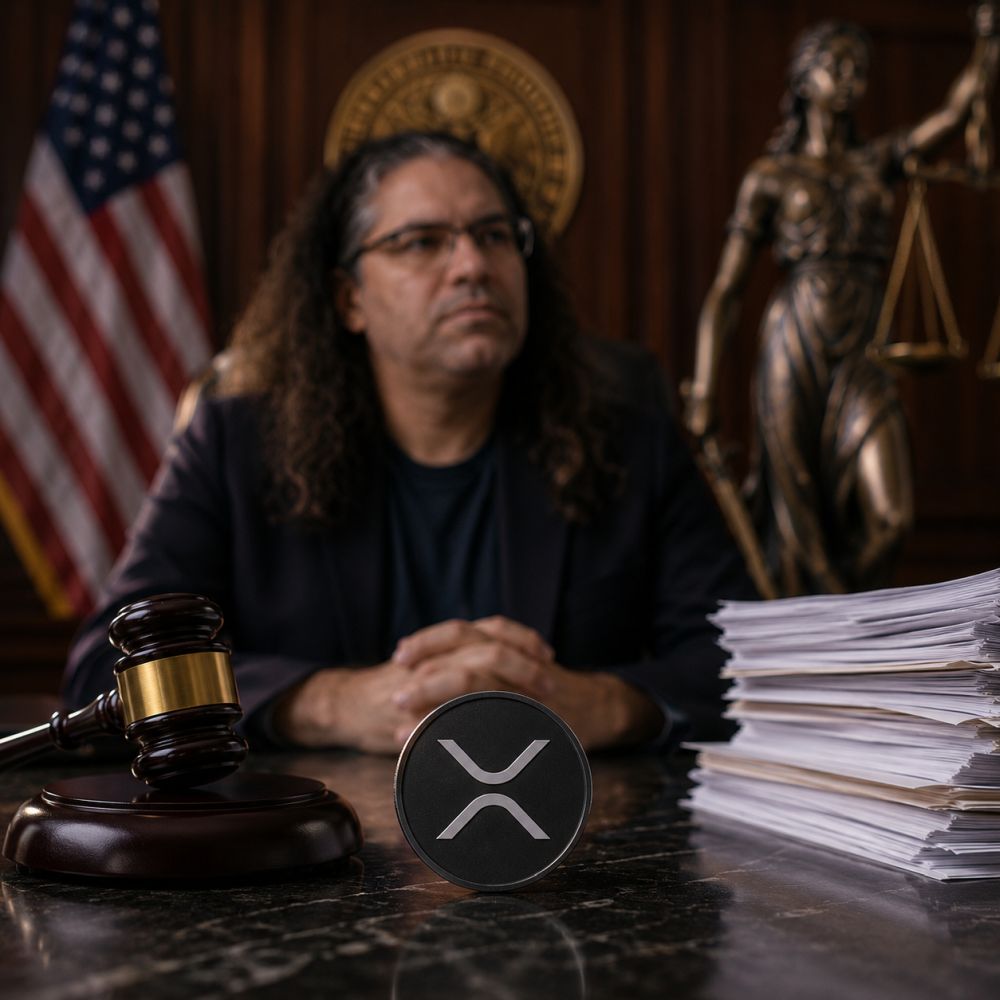
The decentralized nature of blockchain technology is often a point of heated debate among cryptocurrency enthusiasts and skeptics alike. Recently, Ripple Chief Technology Officer David Schwartz provided a comprehensive explanation as to why the XRP Ledger is uniquely resilient against external pressures. The core of his argument rests on the fundamental architecture of the network, which was specifically designed to be beyond the reach of any single entity. Even if a court order were issued against Ripple or if the company itself decided to cease operations, the XRP Ledger would continue to function autonomously. This realization is critical for investors who are concerned about the regulatory landscape and the potential for government intervention in the digital asset space.
David Schwartz emphasizes that the XRP Ledger is a public, open source blockchain that does not rely on a central issuer for its operations. Unlike traditional financial systems where a central bank or a single corporation holds the power to freeze accounts or halt transactions, the XRPL operates through a global network of independent validators. These validators are responsible for reaching a consensus on the state of the ledger, and no single participant has the authority to override the collective agreement. This structural independence is what makes XRP a true digital asset without a counterparty. It ensures that the network remains neutral and accessible to anyone, anywhere in the world, regardless of the legal challenges Ripple may face in various jurisdictions.
The Technical Resilience of the XRP Ledger Against Centralized Control
The architectural brilliance of the XRP Ledger lies in its consensus mechanism, which differs significantly from the proof of work models used by Bitcoin. Schwartz points out that while Ripple is a major contributor to the ecosystem, it does not own the ledger. The code is open source, meaning that anyone can run a node or a validator. If a court were to order Ripple to change the rules of the ledger or censor specific transactions, the company would simply be unable to comply in a way that binds the rest of the network. The independent validators would have to voluntarily agree to such changes, which is highly unlikely given the diverse and decentralized nature of the participants. This “proof of coordination” ensures that the network is protected from both corporate influence and judicial overreach.
Furthermore, the concept of a “shutdown” is technically impossible for a sufficiently decentralized blockchain. As long as there are individuals or organizations willing to run the XRPL software and participate in the consensus process, the ledger remains alive. Schwartz has often highlighted that the design of the XRPL was a deliberate choice to prevent the very centralization issues that plague modern finance. By removing the need for a central authority to validate transactions, the creators of the ledger ensured its longevity. This transparency means that every transaction is public and verifiable, and any attempt to manipulate the system would be immediately visible to all participants, allowing the community to respond and maintain the integrity of the chain.
Understanding Counterparty Risk and the Role of Independent Validators
A major takeaway from Schwartz’s recent comments is the total absence of counterparty risk when holding XRP. In most financial arrangements, the value of an asset is tied to the solvency or the cooperation of another party. However, XRP exists independently of Ripple. If Ripple as a company were to vanish tomorrow, the XRP tokens held by millions of users would still exist on the ledger, and the ledger would continue to process payments and trades. This distinction is vital for understanding why XRP is categorized differently from many other digital tokens that require an issuer to maintain their value or utility. The XRP Ledger provides a platform where people can be their own bank without the fear of a middleman taxing or blocking their transactions.
The role of the Unique Node List or UNL is also a key factor in this discussion. While some critics argue that the UNL introduces a level of centralization, Schwartz clarifies that it is actually a tool for coordination and security. Each participant on the network chooses which validators they trust to provide accurate information. This prevents malicious actors from launching attacks that could disrupt the network. Because the trust is distributed and chosen by the individual nodes, there is no central point of failure. A court order targeting a specific list of validators would not stop others from stepping in to fill the void, ensuring that the network remains resilient against even the most aggressive legal or geopolitical maneuvers.
Future Outlook for XRP and the Importance of Decentralized Governance
As the crypto industry moves toward greater maturity and increased regulatory scrutiny, the importance of decentralized governance cannot be overstated. The XRP Ledger stands as a primary example of how a blockchain can balance efficiency with true independence. David Schwartz’s insights serve as a reminder that the technology was built to survive and thrive in a hostile environment. The ability for a network to resist a shutdown from its own creators is the ultimate litmus test for decentralization. For the XRP community, this provides a level of security that is rare in the rapidly changing world of finance. It confirms that the utility of the ledger for cross-border payments and decentralized finance will remain intact for years to come.
The narrative that Ripple holds a “kill switch” for the XRP Ledger is a misconception that ignores the technical reality of the network. By separating the interests of the company from the functionality of the blockchain, the architects of XRP created a system that is robust, neutral, and permanent. The ongoing legal battles and regulatory debates may impact market sentiment in the short term, but the underlying technology remains untouchable by any court or corporation. This inherent strength is what continues to attract developers and institutions to the XRP ecosystem, as they seek a reliable and censorship-resistant platform for the next generation of global value transfer.









