























































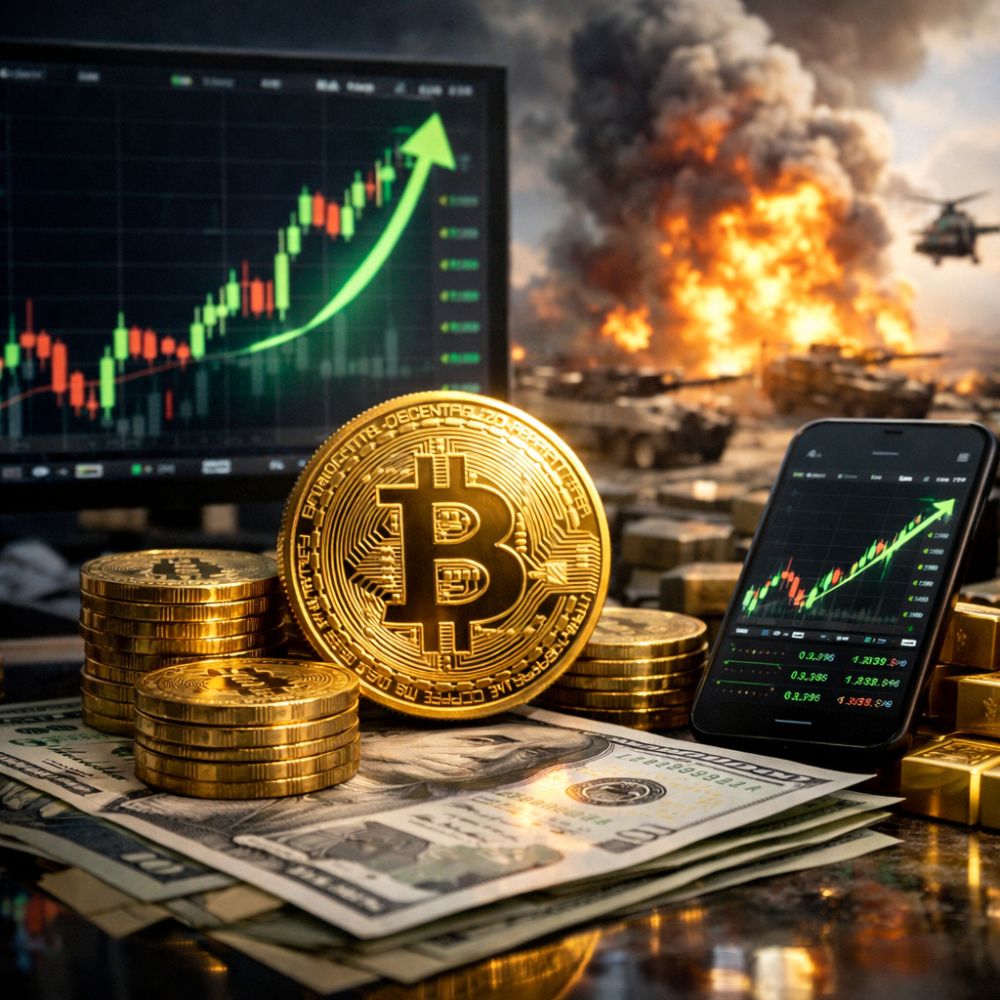
The cryptocurrency market recently witnessed a significant shift in momentum as Bitcoin surged back above the $74,000 threshold. This movement, often described by market analysts as a risk-on snapback, occurred even as geopolitical tensions in the Middle East remained a primary concern for global investors. The recovery highlights the digital asset’s growing resilience and its unique position in the modern financial landscape. While traditional risk assets often struggle during periods of international conflict, Bitcoin has shown a remarkable ability to decouple from standard market expectations, reclaiming key resistance levels and sparking renewed optimism among long-term holders and institutional traders alike.
Understanding the Risk-on Snapback in Crypto Markets
A risk-on snapback refers to a sudden and sharp recovery in asset prices as investors regain their appetite for riskier investments after a period of uncertainty or fear. In the context of the current crypto market, this snapback was driven by several factors, including technical support at lower price levels and a shift in the narrative surrounding global conflicts. As reports emerged suggesting potential paths for de-escalation or ceasefire negotiations, the market reacted with a wave of buying pressure. This behavior suggests that while headlines regarding war and supply chain disruptions initially caused a dip, the underlying demand for Bitcoin remains robust enough to absorb these shocks and push the price back toward yearly highs.
Impact of Middle East Tensions on Digital Assets
Geopolitical instability, particularly in regions vital to global energy supplies like the Strait of Hormuz, typically creates a flight to safety. Traditionally, this meant investors moving capital into gold or government bonds. However, recent price action indicates that Bitcoin is increasingly being viewed through a different lens. Some traders now see it as a liquid hedge that operates outside of traditional banking hours, making it a valuable tool during weekend news cycles when other markets are closed. Despite the ongoing threat of blockades and the resulting pressure on oil prices, Bitcoin’s ability to maintain its ground above $70,000 and subsequently break through $74,000 signals a maturing market that is becoming less sensitive to localized geopolitical noise.
Institutional Buying and ETF Inflows Support Growth
The structural foundation of Bitcoin’s price has changed significantly with the introduction of spot ETFs and massive corporate treasury purchases. For instance, major players like Michael Saylor’s Strategy have continued to aggressively accumulate Bitcoin even during volatile weeks, recently adding thousands of coins to their holdings. These large scale acquisitions provide a strong price floor and reduce the available supply on exchanges. When combined with consistent inflows from wealth managers into Bitcoin ETFs, the result is a resilient capital base that is less prone to panic selling. This institutional backing is a primary reason why the recent dip was short-lived, allowing the asset to stage a quick recovery and target the $75,000 resistance zone.
The Role of Short Liquidations in Price Rallies
Technical factors also played a crucial role in the move above $74,000. As Bitcoin began its ascent, it triggered a series of short liquidations. Many traders who had bet on further declines due to the Middle East conflict were forced to close their positions as prices rose, which in turn created more buying pressure. Data indicates that hundreds of millions of dollars in short positions were liquidated in a single day, amplifying the upward move. This short squeeze effect is a common characteristic of crypto rallies, where forced buying from bears provides the fuel needed for bulls to break through significant psychological and technical barriers.
Future Outlook for Bitcoin and Global Macro Factors
Looking ahead, the sustainability of this rebound will depend on a combination of macroeconomic signals and the stability of global trade routes. If oil prices begin to stabilize and inflation concerns ease, there is a strong possibility that central banks may return to a more dovish stance, which would further benefit risk assets like Bitcoin. Analysts are closely watching the $80,000 level as the next major target if the current momentum holds. However, investors should remain aware of potential volatility, as any significant escalation in international tensions or unexpected shifts in monetary policy could still impact market sentiment. For now, the successful reclamation of $74,000 serves as a testament to Bitcoin’s enduring appeal as both a risk asset and a potential store of value.